Understanding how long your air conditioner can run is crucial for homeowners who want to maintain a comfortable living environment while also ensuring the longevity of their cooling systems. Many people often search for "AC near me" to find local services, but before reaching out for help, it’s essential to grasp the fundamentals of air conditioner runtime. The runtime of an AC unit not only affects its efficiency but also plays a significant role in its overall lifespan. When an air conditioner operates, it goes through cycles of cooling and resting. These cycles are designed to optimize energy use while providing consistent temperature control.
However, if your unit is running too frequently or for extended periods, it may indicate underlying issues that could lead to costly repairs or replacements. Homeowners should be aware that while modern air conditioning systems are built to handle prolonged use, there are limits to how long they should operate continuously without rest. Moreover, understanding the balance between efficiency and longevity is vital. Running your AC for too long can lead to increased energy bills and unnecessary wear on the system. Conversely, not using it enough can result in humidity buildup and discomfort in your home.
By familiarizing yourself with the recommended runtimes for different types of units, you can make informed decisions that enhance both comfort and efficiency. In this article, we will delve deeper into the specifics of air conditioner runtime, exploring factors that influence how long your unit can run without damage. We will also provide practical tips on maintaining your system's health and efficiency, ensuring that you enjoy a cool and comfortable home without compromising on performance.
How Air Conditioners Work: A Brief Overview
Understanding how air conditioners work is essential for homeowners looking to maintain their systems effectively. At its core, an air conditioning unit operates on a simple principle: it removes heat from the indoor air and transfers it outside, thereby cooling the interior space. This process involves several key components and a cycle known as the refrigeration cycle.The refrigeration cycle consists of four main stages:- Evaporation: The cycle begins in the evaporator coil, where refrigerant absorbs heat from the indoor air.
As the refrigerant absorbs this heat, it changes from a liquid to a gas, effectively cooling the air that is circulated back into your home.
- Compression: The gaseous refrigerant then travels to the compressor, typically located outside the home. Here, the refrigerant is compressed, raising its pressure and temperature. This step is crucial as it prepares the refrigerant for the next stage of the cycle.
- Condensation: The high-pressure gas moves to the condenser coil, where it releases the absorbed heat into the outdoor air. As it cools down, the refrigerant condenses back into a liquid state.
- Expansion: Finally, the liquid refrigerant passes through an expansion valve, which reduces its pressure and temperature before it re-enters the evaporator coil to start the cycle anew.
If any component fails or if there are issues with airflow or refrigerant levels, your air conditioner may struggle to maintain a comfortable temperature. This can lead to longer runtimes and increased wear on the system.When searching for AC near me, it's important to consider not just installation but also maintenance. Regular check-ups can help ensure that your system operates within optimal parameters, preventing excessive runtime that could lead to damage. Understanding these basics of air conditioning can empower you as a homeowner to make informed decisions about your cooling system.
Optimal Operating Times for Different Types of AC Units
Understanding the optimal operating times for different types of air conditioning units is crucial for maintaining efficiency and prolonging the lifespan of your system.Each type of AC unit has its own recommended runtime based on its design and capacity.
Window Units
Window air conditioning units are typically smaller and designed for cooling individual rooms. These units can efficiently run for about 6 to 8 hours continuously, depending on the outside temperature and humidity levels. Running a window unit beyond this timeframe can lead to overheating and increased wear on the compressor.- Energy Efficiency: To maximize energy efficiency, consider using a programmable thermostat or timer. This allows you to set the unit to operate only when needed, reducing unnecessary runtime.
- Cooling Cycles: Window units often cycle on and off based on the room temperature.
If your unit is running continuously without cycling, it may indicate an issue that needs addressing.
Central Air Conditioning Systems
Central air conditioning systems are designed to cool larger spaces and can run for longer periods. Typically, these systems can operate effectively for 10 to 12 hours at a time during peak heat. However, it’s essential to monitor their performance closely.- Thermostat Settings: Setting your thermostat to a higher temperature when you’re not home can help reduce runtime while still keeping your home comfortable upon your return.
- Regular Maintenance: Ensure that your central AC system undergoes regular maintenance checks. A well-maintained system will run more efficiently and have a longer lifespan.
This not only enhances performance but also helps in avoiding potential damage and costly repairs. Always keep an eye on your unit's behavior; if it seems to be running excessively or not cycling properly, it may be time to consult an HVAC professional.
Signs Your AC is Overworking: When to Be Concerned
Understanding the signs that your air conditioner is overworking is crucial for maintaining its efficiency and longevity. Ignoring these indicators can lead to costly repairs and reduced comfort in your home. Here are some key signs to watch for:- Increased Energy Bills: If you notice a sudden spike in your energy bills, it could be a sign that your AC is working harder than it should.
An overworking unit consumes more electricity, leading to higher costs.
- Frequent Cycling: An air conditioner that turns on and off frequently, known as short cycling, may indicate an issue. This can be caused by a malfunctioning thermostat or an improperly sized unit, both of which can strain the system.
- Unusual Noises: Pay attention to any strange sounds coming from your AC. Grinding, squealing, or banging noises can signal mechanical issues that require immediate attention.
- Inconsistent Cooling: If certain rooms in your home are warmer than others or if the temperature fluctuates significantly, it may indicate that your AC is struggling to maintain a consistent temperature.
- Excessive Humidity: An efficient air conditioner should help reduce humidity levels in your home. If you notice that the air feels muggy or damp, it could mean your unit is not functioning properly.
- Foul Odors: Unpleasant smells emanating from your AC can indicate mold growth or electrical issues.
These problems should be addressed promptly to avoid further damage.
By recognizing the signs of an overworking AC, you can take proactive steps to maintain a comfortable and safe environment in your home.
The Impact of Continuous Operation on Your AC Unit
Running your air conditioner continuously can have significant implications for its performance and longevity. While modern AC units are designed to handle extended use, there are several factors to consider regarding the effects of continuous operation.1.Increased Wear and Tear1.Increased Wear and Tear
One of the most immediate consequences of nonstop operation is the increased wear and tear on the unit's components. The compressor, which is the heart of your air conditioning system, works harder when the AC runs continuously. This constant strain can lead to:
- Compressor Failure: Over time, the compressor may overheat or become damaged, leading to costly repairs or even a complete system replacement.
- Fan Motor Issues: The fan motors that circulate air can also suffer from prolonged use, resulting in reduced efficiency or failure.
- Refrigerant Leaks: Continuous operation can cause fluctuations in pressure that may lead to refrigerant leaks, compromising cooling efficiency.
2.Energy Consumption and Costs
Another critical aspect to consider is energy consumption.
An air conditioner that runs non-stop will consume significantly more electricity than one that operates in cycles. This not only leads to higher utility bills but also contributes to environmental concerns due to increased energy demand. To mitigate these costs, consider:
- Regular Maintenance: Schedule routine check-ups to ensure your AC is running efficiently and address any issues before they escalate.
- Smart Thermostats: Investing in a smart thermostat can help regulate your AC's operation, ensuring it runs only when necessary.
3.Impact on Lifespan
The lifespan of an air conditioning unit is typically around 15 to 20 years, but continuous operation can shorten this significantly. By allowing your AC to run without breaks, you may find yourself needing a replacement much sooner than expected.
To extend the life of your unit:
- Adequate Sizing: Ensure your AC is appropriately sized for your space; an oversized unit will cycle on and off frequently, while an undersized unit will struggle to keep up with demand.
- Proper Insulation: Improve your home’s insulation to reduce the workload on your AC, allowing it to maintain comfortable temperatures without constant operation.
Energy Efficiency and Cost Considerations
When it comes to running your air conditioning unit, understanding the energy efficiency and associated costs is crucial for both your wallet and the environment. Air conditioners, while essential for comfort during hot months, can significantly impact your energy bills if not managed properly.One of the primary factors influencing the cost of running an AC unit is its energy efficiency rating. Units with higher Seasonal Energy Efficiency Ratios (SEER) are designed to use less electricity while providing the same cooling output as lower-rated models. Investing in a high SEER-rated air conditioner can lead to substantial savings over time, especially if you live in a region where air conditioning is used frequently.To maximize energy efficiency , consider the following tips:- Regular Maintenance: Schedule annual maintenance checks to ensure your AC unit is operating at peak performance.
Clean or replace filters regularly to prevent airflow restrictions.
- Smart Thermostats: Utilize programmable or smart thermostats that adjust the temperature based on your schedule. This prevents unnecessary cooling when no one is home.
- Seal Leaks: Inspect your home for air leaks around windows and doors. Sealing these gaps can prevent cool air from escaping, allowing your AC to work more efficiently.
- Use Fans Wisely: Ceiling fans can help circulate cool air, allowing you to set your thermostat a few degrees higher without sacrificing comfort.
On average, an air conditioner can account for up to 50% of your home’s energy consumption during hot weather.To save on energy bills while keeping your home cool, consider implementing these strategies:
- Set Temperature Wisely: Aim for a comfortable temperature that isn’t too low. A setting of 75°F is often recommended for optimal comfort and efficiency.
- Limit Heat Sources: Turn off heat-generating appliances during the hottest parts of the day. This reduces the workload on your AC unit.
- Consider Zoning Systems: If you have a larger home, zoning systems allow you to cool only the areas in use, reducing overall energy consumption.
Best Practices for Air Conditioner Usage
To ensure your air conditioner operates efficiently and lasts longer, it’s essential to adopt best practices for usage and maintenance.Here are some effective strategies to optimize your AC performance:
- Regular Maintenance: Schedule annual professional maintenance for your air conditioning unit. This includes cleaning the coils, checking refrigerant levels, and inspecting electrical components. Regular maintenance helps identify potential issues before they escalate into costly repairs.
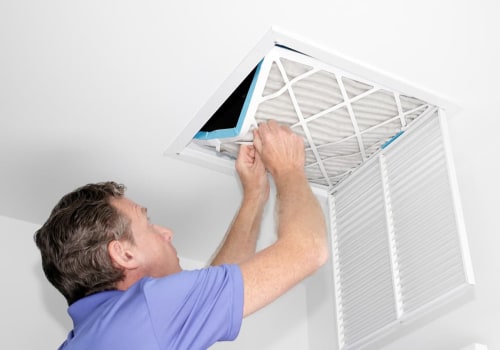
- Change Filters Frequently: One of the simplest yet most effective ways to maintain your AC is by changing or cleaning the air filters regularly. Clogged filters restrict airflow, making your system work harder and less efficiently.
Aim to check your filters monthly and replace them every 1-3 months, depending on usage.
- Optimize Thermostat Settings: Set your thermostat to a comfortable yet efficient temperature. The U. S. Department of Energy recommends setting it at 78°F when you are home and increasing it by a few degrees when you are away.
Consider investing in a programmable or smart thermostat that can adjust temperatures automatically based on your schedule.
- Seal Ducts and Insulate: Ensure that your ductwork is properly sealed and insulated to prevent cool air from escaping. Leaky ducts can significantly reduce efficiency, leading to higher energy bills and increased wear on your AC unit.
- Use Ceiling Fans: Ceiling fans can help circulate cool air throughout your home, allowing you to set your thermostat a few degrees higher without sacrificing comfort. This not only enhances cooling but also reduces the load on your air conditioner.
- Avoid Heat Sources: Minimize heat generation in your home during peak cooling hours. Turn off unnecessary lights, unplug electronics when not in use, and avoid using the oven or stove during the hottest parts of the day.
This will help reduce the demand on your AC system.
Frequently Asked Questions About Air Conditioner Runtime
When it comes to air conditioning systems, many homeowners have questions about how long their units can run without causing damage. Here are some of the most frequently asked questions regarding air conditioner runtime:How long can I leave my air conditioner running?
In general, you can leave your air conditioner running for extended periods, even up to 24 hours a day. However, this is not always advisable.Continuous operation can lead to increased wear and tear on the system, potentially shortening its lifespan. It's essential to monitor the performance of your unit and ensure it is functioning efficiently.
What are the signs that my AC is overworking?
- Increased energy bills: If you notice a sudden spike in your electricity costs, it may indicate that your AC is working harder than it should.
- Unusual noises: Sounds like grinding or squealing can signal mechanical issues that need attention.
- Inconsistent cooling: If some rooms are cooler than others or if the temperature fluctuates significantly, your AC may be struggling.
- Frequent cycling: If your unit turns on and off more frequently than usual, it could be a sign of an underlying problem.
Is it better to run my AC continuously or in cycles?
Running your air conditioner in cycles is generally more efficient than keeping it on continuously. When the unit operates in cycles, it allows for better humidity control and reduces energy consumption. Additionally, frequent cycling helps prevent the system from overheating and prolongs its lifespan.What should I do if my AC runs constantly?
If you find that your air conditioner is running non-stop, it's crucial to investigate the cause.Check the thermostat settings to ensure they are appropriate for your home’s needs. If everything seems normal but the unit continues to run excessively, consider contacting a professional HVAC technician for a thorough inspection. They can identify any issues such as refrigerant leaks or problems with the compressor that may require repair.Understanding these common concerns about air conditioner runtime can help you maintain your system effectively and ensure optimal performance throughout the cooling season.
Conclusion: Balancing Comfort and Longevity in AC Use
In conclusion, understanding how long your air conditioner can run without incurring damage is crucial for maintaining both comfort and the longevity of your unit. While it is technically feasible for an air conditioning system to operate continuously, doing so is not advisable without considering several factors that can impact its performance and lifespan.Throughout this article, we have explored the various aspects of air conditioner operation, including:- Cooling Capacity: Different units have varying capacities, which dictate how long they can run efficiently.
Smaller units may need to cycle off after several hours, while larger systems can handle longer operational periods.
- Environmental Conditions: Factors such as humidity and outdoor temperature play a significant role in how hard your AC has to work. In humid climates, for instance, your system may need to run longer to maintain a comfortable indoor environment.
- Signs of Overuse: Continuous operation can lead to wear and tear on components like the condensing unit. If you notice unusual noises or a lack of cooling efficiency, it may be time to consult an HVAC professional.
- Regular Maintenance: Schedule routine check-ups with an HVAC technician to ensure your system is running optimally and to catch any potential issues early.
- Smart Thermostats: Utilize programmable or smart thermostats that can adjust the temperature based on your schedule, reducing unnecessary runtime.
- Energy Efficiency: Invest in energy-efficient models that are designed to operate effectively without excessive strain on their components.