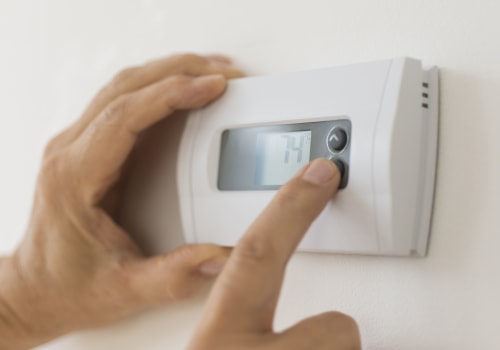
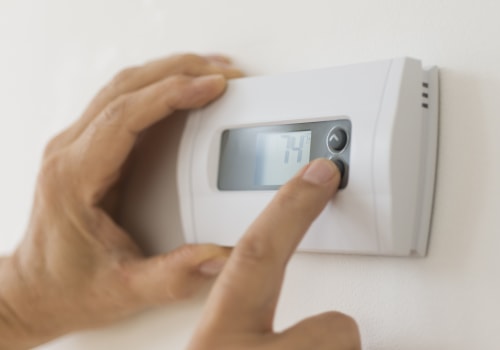
When it comes to air conditioning, the temperature setting is more than just a number on a thermostat; it plays a crucial role in your overall comfort, energy efficiency, and even your health. Finding the ideal AC temperature can significantly enhance your living environment, making it essential to understand how to optimize your settings. Many homeowners often search for AC near me to find local services that can help them achieve the perfect indoor climate, but the first step is knowing what that perfect temperature is.Setting your air conditioning unit to the right temperature not only ensures a comfortable atmosphere but also helps in reducing energy consumption. A well-calibrated system can lead to lower utility bills and a reduced carbon footprint.
For instance, every degree you adjust your thermostat can impact your energy usage by approximately 4%. This means that even small adjustments can lead to significant savings over time. Therefore, understanding how to balance comfort with energy efficiency is key.Moreover, the temperature of your home can have direct implications on your health. Extreme temperatures—whether too hot or too cold—can lead to discomfort and even health issues such as heat exhaustion or respiratory problems.
By maintaining an optimal indoor climate, you not only create a pleasant living space but also promote better well-being for you and your family. As you explore air conditioning tips and tricks, remember that the right temperature setting is foundational to achieving a harmonious balance in your home.
The Recommended Temperature Range for Air Conditioning
Finding the right temperature for your air conditioning system is crucial for both comfort and energy efficiency. While personal preferences play a significant role, there are established guidelines that can help you determine the most suitable temperature range for your home.According toFinding the right temperature for your air conditioning system is crucial for both comfort and energy efficiency. While personal preferences play a significant role, there are established guidelines that can help you determine the most suitable temperature range for your home.According to ENERGY STAR , a widely recognized authority on energy efficiency, the recommended thermostat setting during the day is around 78 degrees Fahrenheit. This temperature strikes a balance between comfort and energy savings, allowing your AC to operate efficiently without overworking itself.When you are at home and awake, this setting can help maintain a comfortable indoor environment while minimizing energy consumption.At night, however, many people prefer a cooler atmosphere for sleeping. The National Sleep Foundation suggests that a temperature range of 60 to 67 degrees Fahrenheit is optimal for sleep quality. Cooler temperatures can promote better sleep by helping to lower your body temperature, which is essential for restful slumber. If you find that 60 degrees feels too chilly, consider adjusting your thermostat gradually until you find a comfortable setting that still supports good sleep hygiene.It's important to note that every degree you lower your thermostat can increase your energy usage by approximately 4%.
Therefore, while it may be tempting to set your AC to a cooler temperature during hot summer days, doing so can lead to significantly higher energy bills. Instead, aim for a compromise that keeps you comfortable without sacrificing efficiency.In addition to temperature settings, humidity levels also play a critical role in how we perceive indoor temperatures. High humidity can make the air feel warmer than it actually is, while low humidity can create a chillier environment. Using a dehumidifier in humid climates or a humidifier in dry conditions can help maintain an ideal indoor climate.Ultimately, the best approach is to experiment with different settings and monitor how they affect your comfort and energy bills.
Start with the recommended ranges and adjust as necessary based on your personal preferences and local climate conditions. By doing so, you can enjoy a comfortable home while also being mindful of energy efficiency.
Factors Influencing Your Ideal AC Temperature
When determining the ideal temperature for your air conditioning system, several factors come into play that can significantly influence your comfort level. Understanding these factors can help you make informed decisions about your AC settings, ensuring a pleasant indoor environment.Humidity Levels
One of the most critical elements affecting your perceived temperature is humidity. High humidity can make the air feel warmer than it actually is, leading to discomfort even at lower thermostat settings.This is because moisture in the air inhibits the body’s ability to cool itself through perspiration. Conversely, low humidity can create a cooler sensation, allowing you to feel comfortable at slightly higher temperatures.To manage humidity effectively, consider using a dehumidifier in conjunction with your AC unit. This can help maintain optimal humidity levels, typically between 30% and 50%, which not only enhances comfort but also improves air quality.
Personal Comfort Levels
Individual preferences play a significant role in determining the perfect AC temperature. What feels comfortable for one person may be too cold or too warm for another.Factors such as age, gender, and personal health conditions can influence these preferences:
- Age: Younger individuals may prefer cooler environments, while older adults often feel more comfortable at warmer temperatures due to changes in metabolism and circulation.
- Gender: Research indicates that women generally have a lower thermal comfort threshold than men, often feeling colder at the same temperature settings.
- Health Conditions: Certain medical conditions, such as thyroid disorders or circulatory issues, can affect how individuals perceive temperature. Those with such conditions may require specific adjustments to their AC settings for optimal comfort.
Environmental Factors
The external environment also plays a crucial role in determining your ideal indoor temperature. On particularly hot days, you may need to lower your thermostat to maintain comfort indoors. Conversely, during milder weather, you might find that raising the temperature slightly can still keep you comfortable while saving on energy costs.In summary, finding the perfect temperature for your AC involves considering various factors such as humidity levels, personal comfort preferences influenced by age and health conditions, and external environmental factors.By taking these elements into account, you can create a more enjoyable living space that meets your unique needs.
How to Experiment and Find Your Perfect AC Setting
Finding the ideal temperature setting for your air conditioning unit can be a bit of a journey, but it’s one that pays off in comfort and energy savings. Here are some practical steps to help you experiment and discover what works best for you and your household.1.Start with a Baseline
- Begin by setting your thermostat to a commonly recommended temperature, such as 72 degrees Fahrenheit. This serves as a good starting point for most households.
2.Make Incremental Adjustments
- After a few days at 72 degrees, adjust the temperature by one degree up or down. Give yourself time to acclimate to each new setting—about two to three days is ideal.
- Pay attention to how you feel during different times of the day.
You might find that you prefer a cooler setting in the evening or warmer during the day.
3.Consider Your Activities
- Your comfort level may vary depending on what you’re doing at home. For instance, if you’re exercising or cooking, you might want to lower the temperature slightly to counteract the heat generated by these activities.
- If you have family members with different preferences, consider setting the thermostat to a middle ground that accommodates everyone.
4.Utilize Programmable Thermostats
- If your AC system allows it, invest in a programmable thermostat. This technology enables you to set different temperatures for various times of the day, ensuring comfort when you're home and saving energy when you're away. If your AC system allows it, invest in a programmable thermostat. This technology enables you to set different temperatures for various times of the day, ensuring comfort when you're home and saving energy when you're away.
- For example, you might set it to 78 degrees during the day when no one is home and lower it to 72 degrees in the evening when everyone is back.
5.Monitor Humidity Levels
- Humidity can significantly affect how temperature is perceived. If your home feels sticky or muggy, consider using a dehumidifier in conjunction with your AC to enhance comfort without drastically lowering the temperature.
- Conversely, if the air feels too dry, especially in winter months, a humidifier can help maintain a comfortable environment.
6.Keep Track of Energy Bills
- As you experiment with different settings, keep an eye on your energy bills.
This will help you understand how each degree adjustment impacts your overall energy consumption and costs.
- A small increase in temperature can lead to significant savings over time without sacrificing comfort.
The Role of Humidity in Air Conditioning Comfort
When it comes to achieving optimal comfort in your home, the role of humidity cannot be overstated. Humidity levels significantly influence how we perceive temperature, often making a room feel warmer or cooler than it actually is. This phenomenon is particularly important when considering your air conditioning settings and overall indoor climate.High humidity can create a sticky, uncomfortable environment, even if the temperature on your thermostat reads a pleasant 72 degrees Fahrenheit.This is because moisture in the air can hinder the body’s ability to cool itself through perspiration. As a result, you may find yourself feeling overheated and restless, prompting you to lower the thermostat further than necessary. Conversely, low humidity can lead to a dry atmosphere that may feel cooler than it is, potentially causing discomfort such as dry skin and respiratory issues.
Understanding Humidity Control in AC Systems
Most modern air conditioning systems are designed to manage humidity levels as part of their cooling process. When warm air passes over the cold evaporator coils, moisture condenses and is removed from the air, effectively lowering both temperature and humidity.However, in particularly humid climates, this built-in dehumidification may not be sufficient.In such cases, using a dehumidifier can be an excellent solution. Dehumidifiers work by drawing in moist air and passing it over coils that cool the air below its dew point, allowing water vapor to condense and be collected. This not only enhances comfort but also helps prevent mold growth and other moisture-related issues in your home.
The Benefits of Maintaining Optimal Humidity Levels
Maintaining an ideal humidity level—generally between 30% and 50%—can lead to numerous benefits:- Enhanced Comfort: Proper humidity levels make it easier for your body to regulate temperature, leading to a more comfortable living space.
- Energy Efficiency: By controlling humidity effectively, you may find that you can set your thermostat a few degrees higher without sacrificing comfort, which can lead to lower energy bills.
- Health Benefits: Balanced humidity levels can reduce the risk of respiratory issues and allergies by minimizing dust mites and mold growth.
Adjusting Your AC Settings Based on Outdoor Conditions
Understanding how outdoor temperatures affect your air conditioning system is crucial for maintaining a comfortable indoor environment.As the seasons change, so do the demands on your AC unit. Adjusting your settings based on the weather can enhance comfort and improve energy efficiency.
Effects of Outdoor Temperature on Indoor Comfort
When the temperature outside rises, your AC has to work harder to maintain a cool indoor atmosphere. Conversely, during cooler months, you may find that your AC is less frequently needed, or you might even switch to heating. Here are some key points to consider:
- High Outdoor Temperatures: On sweltering days, it’s advisable to set your thermostat a few degrees lower than usual.
This helps counteract the heat influx and keeps your home comfortable.
- Low Outdoor Temperatures: If the weather is mild, consider raising your thermostat setting slightly. This not only saves energy but also allows your system to operate more efficiently.
Adjusting Your AC for Weather Changes
Being proactive about adjusting your AC settings can lead to significant energy savings and increased comfort. Here are some strategies:
- Monitor the Weather: Keep an eye on local forecasts. If a heatwave is predicted, prepare by lowering your thermostat in advance.
- Use Programmable Thermostats: These devices allow you to set different temperatures for various times of the day, accommodating changes in outdoor conditions without manual adjustments.
- Close Blinds and Curtains: On particularly hot days, blocking sunlight can help keep indoor temperatures down, reducing the load on your AC.
Seasonal AC Settings
Your air conditioning needs will vary throughout the year.
Here’s a quick guide to seasonal adjustments:
- Spring: As temperatures begin to rise, gradually lower your thermostat settings to prepare for warmer days ahead.
- Summer: Aim for a comfortable range of 72-78 degrees Fahrenheit during peak heat. Consider using ceiling fans in conjunction with your AC for better air circulation.
- Fall: As temperatures drop, start increasing your thermostat setting slightly. This transition can help reduce energy consumption.
- Winter: If you live in a milder climate and use your AC for heating, adjust settings accordingly to maintain comfort without overworking the system.
The Benefits of Programmable Thermostats for Energy Efficiency
In today's world, where energy efficiency is more important than ever, programmable thermostats have emerged as a game-changer for homeowners looking to optimize their air conditioning usage. These devices not only enhance comfort but also contribute significantly to energy savings.One of the primary benefits of using a programmable thermostat is the ability to set specific temperature schedules based on your daily routine.For instance, you can program your AC to cool your home before you arrive from work and raise the temperature when you're away. This means your system isn't working overtime when it's unnecessary, leading to lower energy consumption.
Energy Savings with Smart Thermostats
Smart thermostats take this concept a step further by learning your habits and preferences over time. They can automatically adjust settings based on your lifestyle, ensuring that your home remains comfortable while minimizing energy use. According to studies, homeowners can save up to 10-15% on their heating and cooling bills by utilizing these advanced devices.Moreover, many smart thermostats come equipped with features such as remote access via smartphone apps.
This allows you to monitor and control your home's temperature from anywhere, making it easier to make adjustments if plans change unexpectedly. For example, if you decide to stay out longer than planned, you can raise the temperature remotely instead of wasting energy cooling an empty house.
Optimizing AC Usage
Another significant advantage of programmable thermostats is their ability to optimize AC usage during peak hours. Many utility companies charge higher rates during peak demand times. By programming your thermostat to increase the temperature slightly during these hours, you can avoid high energy costs while still maintaining a comfortable environment.Additionally, some models offer features like geofencing, which uses your smartphone's location to determine whether you're home or away.
This ensures that your AC only runs when needed, further enhancing energy efficiency.In conclusion, investing in a programmable or smart thermostat is a wise decision for anyone looking to improve their home's energy efficiency. Not only do these devices help maintain optimal comfort levels, but they also lead to significant savings on energy bills over time. By taking advantage of the technology available today, you can enjoy a cooler home without the guilt of excessive energy consumption.
Maintaining Your AC System for Optimal Performance
To ensure your air conditioning system operates at peak efficiency, regular maintenance is essential. A well-maintained AC unit not only provides optimal cooling but also extends the lifespan of the system and reduces energy costs.Here are some key maintenance tips to keep your AC running smoothly:
- Change Air Filters Regularly: One of the simplest yet most effective ways to maintain your AC is by changing the air filters. Clogged or dirty filters restrict airflow, making your system work harder and less efficiently. It’s recommended to check your filters monthly and replace them every 1-3 months, depending on usage and filter type.
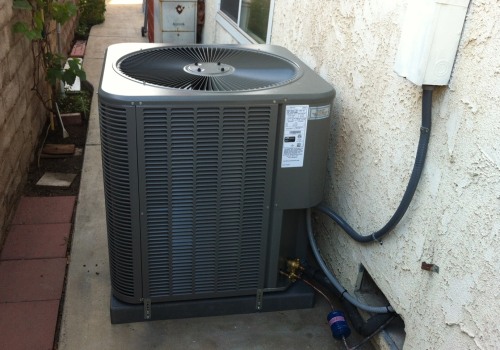
- Clean the Condenser Coils: The condenser coils, located outside your home, can accumulate dirt and debris over time. This buildup can hinder heat exchange, causing your AC to work harder.
Clean the coils at least once a year by gently brushing off any dirt or using a garden hose to wash them down.
- Inspect Ductwork: Leaky ducts can lead to significant energy loss and reduced cooling efficiency. Inspect your ductwork for any visible signs of damage or disconnections. Sealing leaks with duct tape or mastic sealant can improve airflow and efficiency.
- Schedule Professional Maintenance: While DIY maintenance is important, having a professional HVAC technician inspect your system annually is crucial. They can perform a thorough check-up, including checking refrigerant levels, testing electrical components, and ensuring everything is functioning correctly.
- Clear Surrounding Areas: Ensure that the area around your outdoor unit is clear of debris, plants, and other obstructions.
This allows for proper airflow and prevents overheating.
Common Myths About AC Temperature Settings Debunked
When it comes to air conditioning, there are numerous myths and misconceptions that can lead to confusion and poor decision-making. Understanding the truth behind these myths is essential for optimizing your AC settings and ensuring comfort in your home.Here are some of the most common myths about AC temperature settings debunked:
- Myth 1: Setting the thermostat to a lower temperature cools the room faster. Many people believe that cranking down the thermostat will make their AC work harder and cool their space more quickly. In reality, air conditioners operate at a consistent rate, regardless of the thermostat setting. Setting it lower than necessary only results in higher energy consumption without any added benefit.
- Myth 2: You should turn off your AC when you leave home. While it may seem logical to save energy by turning off your AC, doing so can actually lead to higher energy costs. When you return home, your AC will have to work much harder to cool down a hot house, which can negate any savings you achieved while it was off.
Instead, consider using a programmable thermostat to adjust the temperature while you're away.
- Myth 3: Higher humidity means you should set your AC colder. Some believe that increasing the cooling setting is necessary during humid days. However, air conditioners are designed to remove humidity from the air as they cool. Instead of lowering the temperature, ensure your system is properly maintained and consider using a dehumidifier if humidity levels are excessively high.
- Myth 4: Ceiling fans can replace air conditioning. While ceiling fans can help circulate air and create a wind-chill effect, they do not lower the temperature of a room. They are best used in conjunction with your AC to enhance comfort and allow for higher thermostat settings without sacrificing coolness.
- Myth 5: Closing vents in unused rooms saves energy. This is a common misconception that can actually harm your HVAC system's efficiency.
Closing vents can create pressure imbalances that force your system to work harder, potentially leading to costly repairs. Instead, focus on sealing leaks and ensuring proper insulation throughout your home.
Conclusion: Finding Your Ideal AC Temperature for Comfort and Efficiency
In conclusion, determining the perfect temperature for your air conditioning system is a nuanced process that balances personal comfort with energy efficiency. As we have explored, there is no universally ideal setting; rather, it varies based on individual preferences, environmental factors, and specific circumstances.To recap the key points:- Personal Comfort: The ideal temperature can differ significantly from person to person.
While many find 72 degrees Fahrenheit to be a comfortable baseline, others may prefer slightly cooler or warmer settings. It’s essential to listen to your body and adjust accordingly.
- Energy Efficiency: Setting your thermostat even a few degrees higher can lead to substantial energy savings. For instance, raising the temperature by just one degree can reduce your cooling costs by approximately 4%. This is particularly important during peak summer months when energy bills can skyrocket.
- Humidity Control: Humidity plays a crucial role in how temperature is perceived.
High humidity can make a room feel warmer, while low humidity can create a chillier atmosphere. Utilizing dehumidifiers or humidifiers can help maintain a comfortable indoor climate.
- Experimentation: Finding your ideal AC temperature may require some trial and error. Start with a comfortable setting and adjust it gradually until you find what feels best for you. Consider using programmable thermostats to optimize settings throughout the day.
- Regular Maintenance: A well-maintained AC unit operates more efficiently and effectively.
Regularly changing air filters and scheduling professional maintenance checks can ensure that your system runs smoothly and keeps your home at the desired temperature.