When it comes to managing your home’s energy consumption, understanding the relationship between your air conditioning (AC) temperature settings and your electricity bills is crucial. The temperature at which you set your AC can significantly influence your energy costs, especially during the sweltering summer months. Many homeowners are often unaware that even a slight adjustment in their thermostat can lead to substantial savings on their monthly utility bills. This section will delve into the optimal AC temperature for balancing comfort and cost-effectiveness, ensuring you can enjoy a cool home without breaking the bank.Finding the right temperature setting for your AC is not just about personal comfort; it’s also about making informed decisions that can lead to long-term savings.
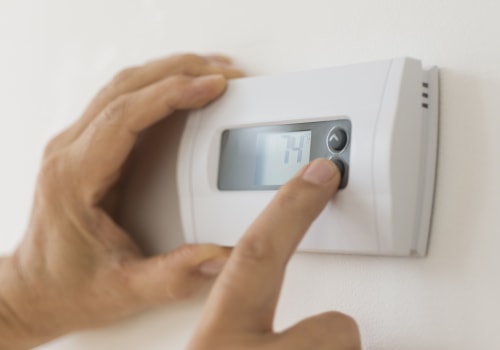
The U. S. Department of Energy suggests that setting your thermostat to 78 degrees Fahrenheit is ideal for most households. However, this recommendation serves as a guideline rather than a strict rule.
Individual preferences, local climate conditions, and lifestyle habits all play a significant role in determining what temperature is best for you. By understanding these factors, you can tailor your AC settings to maximize both comfort and energy efficiency.Moreover, it’s essential to recognize that every degree you adjust your thermostat can have a direct impact on your electricity usage. For instance, raising your thermostat by just one degree can reduce your energy consumption by approximately 6-8%. This means that if you’re willing to tolerate slightly warmer temperatures during the day or when you’re away from home, you could see noticeable reductions in your energy bills.
In this article, we will explore various strategies and insights into how to optimize your AC settings while still maintaining a comfortable living environment.
The Science Behind Air Conditioning and Energy Consumption
Understanding how air conditioning systems operate is crucial for grasping their energy consumption patterns. At its core, an air conditioning unit functions by removing heat from the indoor air and transferring it outside, thereby cooling the interior space. This process involves several key components, including the compressor, condenser, evaporator, and expansion valve.The compressor plays a vital role in this cycle. It compresses refrigerant gas, raising its temperature and pressure before sending it to the condenser.Here, the refrigerant releases heat to the outside air and transforms into a liquid state. The cooled liquid then travels to the evaporator coil inside your home, where it absorbs heat from the indoor air, cooling it down in the process. Finally, the expansion valve regulates the flow of refrigerant back to the compressor, completing the cycle.Energy consumption in air conditioning systems can vary significantly based on several factors:
- System Efficiency: The efficiency of your AC unit is often measured by its SEER (Seasonal Energy Efficiency Ratio) rating. Higher SEER ratings indicate more efficient systems that consume less energy for the same cooling output.
- Temperature Settings: As previously mentioned, setting your thermostat at a higher temperature can lead to substantial energy savings.
Each degree you raise your thermostat can reduce energy consumption by approximately 6-8%.
- Insulation and Sealing: A well-insulated home with properly sealed windows and doors minimizes the amount of cool air that escapes and hot air that enters, allowing your AC to operate more efficiently.
- Usage Patterns: The frequency and duration of AC usage directly impact energy bills. For instance, running your AC continuously during peak hours can lead to higher costs compared to using it during cooler parts of the day.
By optimizing temperature settings and maintaining system efficiency, you can significantly lower your electricity bills while enjoying a comfortable living environment.
Recommended AC Temperature Settings for Maximum Savings
When it comes to optimizing your air conditioning settings for energy efficiency, the U. Department of Energy provides valuable guidelines that can help you strike a balance between comfort and cost savings. Understanding these recommendations is crucial for anyone looking to lower their electricity bills while maintaining a pleasant indoor environment.The recommended temperature setting for your AC during the summer months is 78 degrees Fahrenheit. This temperature is considered a sweet spot that allows for adequate cooling without overburdening your system.By keeping your thermostat at this level, you can enjoy a comfortable atmosphere while also minimizing energy consumption.However, it’s important to recognize that individual comfort levels can vary significantly. For some, 78 degrees may feel too warm, especially during peak heat hours. If you find yourself uncomfortable at this temperature, consider adjusting it slightly higher. Each degree you increase your thermostat can lead to a 6% to 8% reduction in your energy bill.
For instance, setting your AC to 82 degrees82 degrees can yield substantial savings over time.Another critical aspect to consider is how long you will be away from home. If you plan to be out for an extended period—typically four hours or more—raising the thermostat to around 88 degrees can be an effective strategy. While this may feel uncomfortably warm upon your return, it significantly reduces the workload on your AC unit, leading to lower energy costs.To further enhance energy efficiency, consider using programmable thermostats or smart home technology. These devices allow you to set schedules that align with your daily routine, ensuring that your AC operates only when necessary.
For example, you can program the thermostat to raise the temperature during the day when no one is home and cool down just before you return.In addition to adjusting temperature settings, other strategies can complement your efforts in reducing electricity bills:
- Utilize ceiling fans: They help circulate cool air and make higher temperatures feel more comfortable.
- Close blinds and curtains: Keeping them shut during the hottest parts of the day prevents heat from entering your home.
- Regular maintenance: Ensure that your AC unit is serviced regularly for optimal performance.
- Seal leaks: Check windows and doors for drafts that could undermine your cooling efforts.
Personalizing Your AC Settings: Factors to Consider
When it comes to setting your air conditioning (AC) unit, personalizing your settings is crucial for achieving both comfort and energy efficiency. Several factors can influence your ideal temperature, including individual preferences, health conditions, and the local climate.Individual Preferences
Your comfort level is subjective and can vary significantly from person to person. Some individuals may feel comfortable at higher temperatures, while others may prefer a cooler environment. To find your optimal setting, consider conducting a simple experiment:
- Start by setting your AC to the recommended 78 degrees.
- Gradually adjust the temperature up or down in increments of 1-2 degrees over several days.
- Take note of how you feel at each setting to determine your personal comfort zone.
Health Conditions
Health issues can also play a significant role in determining your ideal AC temperature.
For instance:
- Individuals with respiratory conditions may require cooler air to breathe comfortably.
- Those with certain chronic illnesses might need to maintain a stable temperature to avoid exacerbating their symptoms.
- Older adults and young children are often more sensitive to heat and may benefit from a cooler indoor environment.
Local Climate
The climate in your area can significantly impact how you set your AC. For example:
- If you live in a hot and humid region, you may need to set your AC lower than the general recommendation to combat the humidity effectively.
- In contrast, those in drier climates might find that they can maintain comfort at slightly higher temperatures.
By taking into account personal preferences, health considerations, and local climate conditions, you can tailor your AC settings for optimal performance and savings.
Adjusting Your AC for When You're Away from Home
When it comes to managing your air conditioning system, one of the most effective strategies for reducing energy costs is adjusting your settings when you're away from home. Many homeowners are unaware that their AC can be a significant source of energy consumption, especially during the hot summer months. By implementing smart thermostat management, you can maximize savings without sacrificing comfort upon your return.Understanding Your Absence
The first step in optimizing your AC settings while you're away is to assess how long you typically leave your home. If you're gone for just a few hours, a slight adjustment may suffice.
However, if you plan to be away for an extended period, such as a full workday or even longer, more significant changes can lead to substantial savings.
Recommended Temperature Adjustments
According to energy efficiency guidelines, raising your thermostat by 5 to 10 degrees when you're not home can lead to noticeable reductions in your electricity bill. For instance, if you usually set your AC to 78 degrees, consider increasing it to around 83 or 88 degrees while you're out. This simple adjustment can save you anywhere from 6% to 10% on your cooling costs.Utilizing Programmable and Smart Thermostats
Investing in a programmable or smart thermostat can take your energy savings to the next level. These devices allow you to set specific schedules for temperature adjustments based on your daily routine.For example:
- Morning Settings: Set the thermostat to start cooling down your home shortly before you return from work.
- Weekend Adjustments: If you have a different schedule on weekends, program the thermostat accordingly.
- Remote Access: Many smart thermostats offer mobile apps that let you adjust settings remotely, ensuring that you can make changes even if plans change unexpectedly.
Additional Energy-Saving Tips
In addition to adjusting your AC settings, consider these energy-saving tips:
- Close Blinds and Curtains: Keep blinds and curtains closed during the day to block out heat from the sun.
- Seal Leaks: Ensure that windows and doors are properly sealed to prevent cool air from escaping.
- Use Ceiling Fans: Ceiling fans can help circulate cool air and reduce the load on your AC unit.
Additional Strategies to Lower Your Electricity Bill
While setting your air conditioning unit to the optimal temperature is crucial for managing your electricity bills, there are several additional strategies you can implement to further enhance energy efficiency and reduce costs during the sweltering summer months. Here are some effective methods:- Utilize Ceiling Fans: Ceiling fans can significantly improve air circulation in your home. By running them in conjunction with your AC, you can raise the thermostat setting by about 4 degrees without sacrificing comfort.
This simple adjustment can lead to noticeable savings on your electricity bill.
- Close Blinds and Curtains: During the hottest parts of the day, sunlight streaming through windows can increase indoor temperatures. Keeping blinds and curtains closed can block out heat and help maintain a cooler environment, reducing the workload on your AC.
- Seal Leaks and Insulate: Check for drafts around windows and doors. Sealing these leaks with weather stripping or caulk can prevent cool air from escaping and warm air from entering. Additionally, proper insulation in your attic and walls can keep your home cooler, allowing your AC to operate more efficiently.
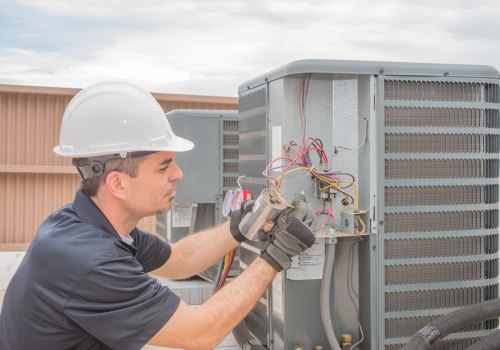
- Schedule Regular Maintenance: Ensure that your AC unit is running at peak performance by scheduling regular maintenance checks.
Cleaning or replacing filters, checking refrigerant levels, and ensuring that the system is free of debris can enhance efficiency and prolong the lifespan of your unit.
- Invest in Energy-Efficient Appliances: If you’re considering upgrading your cooling system, look for energy-efficient models that have a high SEER (Seasonal Energy Efficiency Ratio) rating. These units consume less energy while providing the same level of cooling, ultimately leading to lower electricity bills.
- Use Programmable Thermostats: A programmable thermostat allows you to set specific temperatures for different times of the day. For instance, you can program it to raise the temperature while you’re away and cool down just before you return home, optimizing energy use without sacrificing comfort.
The Role of Smart Thermostats in Energy Efficiency
In the quest for energy efficiency, smart thermostats have emerged as a game-changing technology that can significantly enhance the management of your air conditioning system.These devices not only allow for precise temperature control but also offer a range of features that contribute to lower energy bills and improved comfort.One of the primary advantages of smart thermostats is their ability to learn your schedule and preferences. By analyzing your daily routines, these devices can automatically adjust the temperature settings based on when you are home or away. For instance, if you typically leave for work at 8 AM and return at 6 PM, a smart thermostat can raise the temperature while you’re gone and cool down your home just before you arrive. This means your AC isn’t working overtime when it’s unnecessary, leading to substantial energy savings.Moreover, many smart thermostats come equipped with geofencing technology.
This feature uses your smartphone’s location to determine whether you are home or away. When you leave a designated area, the thermostat can automatically adjust the temperature to save energy. Conversely, it can prepare your home for your return by cooling it down in advance. This level of automation not only enhances convenience but also ensures that energy is used efficiently.Another significant benefit of smart thermostats is their ability to provide real-time energy usage reports.
By monitoring your consumption patterns, these devices can help you identify areas where you might be wasting energy. Some models even offer tips on how to optimize your settings for better efficiency. This data-driven approach empowers homeowners to make informed decisions about their energy use, ultimately leading to lower electricity bills.Additionally, many smart thermostats are compatible with other home automation systems. This integration allows for seamless control over various aspects of your home environment, such as lighting and security systems.
For example, you can set up routines where the lights dim and the AC adjusts when you start a movie night at home. Such interconnectedness not only enhances comfort but also promotes an overall energy-efficient lifestyle.In conclusion, investing in a smart thermostat is a proactive step towards achieving greater energy efficiency in your home. By leveraging advanced technology to manage your AC settings intelligently, you can enjoy a comfortable living space while simultaneously reducing your electricity bills. As more homeowners seek ways to cut costs and minimize their environmental impact, smart thermostats stand out as an essential tool in modern home management.
Common Myths About AC Temperature and Energy Savings
When it comes to air conditioning and energy savings, numerous myths circulate that can lead to confusion and potentially higher electricity bills.Understanding these misconceptions is crucial for making informed decisions about your AC settings and overall energy consumption.
- Myth 1: Lowering the thermostat cools the room faster. Many people believe that setting the thermostat to a much lower temperature will cool their home more quickly. In reality, air conditioners operate at a constant speed, and lowering the temperature setting does not expedite the cooling process. Instead, it can lead to unnecessary energy consumption.
- Myth 2: Turning off the AC saves more energy than leaving it on. While it may seem logical to turn off your AC when you leave home, doing so can actually lead to higher energy costs. When you return, your unit has to work harder to cool down the space from a higher temperature.
Instead, consider raising the thermostat while you're away to save energy without sacrificing comfort.
- Myth 3: Setting the AC at 60 degrees is more efficient. Some homeowners think that setting their AC to an extremely low temperature will save energy. However, this is far from true. Department of Energy recommends a comfortable setting of around 78 degrees for optimal efficiency. Each degree below this can increase your energy bill by up to 8%.
- Myth 4: Ceiling fans can replace air conditioning. While ceiling fans can help circulate cool air and make a room feel cooler, they do not lower the temperature of the air.
They are most effective when used in conjunction with your AC system, allowing you to raise the thermostat setting while still feeling comfortable.
- Myth 5: Energy-efficient models don’t need maintenance. Even if you have an energy-efficient air conditioning unit, regular maintenance is essential for optimal performance. Neglecting routine checks can lead to decreased efficiency and increased energy costs over time.
Frequently Asked Questions About AC Temperature Settings
When it comes to air conditioning, many homeowners have questions about the best temperature settings to optimize comfort while minimizing energy costs. Here are some of the most frequently asked questions regarding AC temperature settings:What is the ideal temperature for my AC?
The U.Department of Energy recommends setting your air conditioning unit to 78 degrees Fahrenheit when you are at home. This temperature strikes a balance between comfort and energy efficiency. However, personal preferences and specific circumstances may lead you to adjust this setting.
How much can I save by adjusting my thermostat?
For every degree you raise your thermostat above 78 degrees, you can save approximately 6-8% on your electricity bill. Therefore, if you can comfortably set your AC to 80 degrees, you could potentially save up to 16% on cooling costs.Is it okay to turn off the AC when I leave home?
Yes, turning off your AC when you leave for an extended period (typically more than four hours) is a great way to save energy.However, consider setting the thermostat to around 88 degrees instead of completely turning it off. This way, your home won’t heat up too much, making it easier for the AC to cool down when you return.
What temperature should I set my AC at night?
During the night, many people find that setting their AC to around 75-78 degrees provides a comfortable sleeping environment. If you prefer cooler temperatures while sleeping, consider using a fan or adjusting your bedding instead of lowering the thermostat significantly.How does humidity affect my AC settings?
In humid climates, higher humidity levels can make temperatures feel warmer than they actually are. In such cases, it may be necessary to set your AC at a lower temperature to maintain comfort.Additionally, using a dehumidifier can help reduce humidity levels without excessively lowering the temperature.
Can I use ceiling fans with my AC?
Absolutely! Using ceiling fans in conjunction with your air conditioning can enhance comfort and allow you to raise the thermostat setting by a few degrees without sacrificing comfort. This combination can lead to further energy savings.If you have more questions about optimizing your air conditioning settings or need assistance finding an AC near me, don’t hesitate to reach out to local HVAC professionals for personalized advice.Conclusion: Finding Your Ideal AC Temperature for Savings and Comfort
In summary, finding the optimal AC temperature is crucial for both your comfort and your wallet. As we’ve explored, the U. Department of Energy recommends setting your air conditioning unit to 78 degrees Fahrenheit during the summer months.This temperature strikes a balance between maintaining a comfortable indoor environment and minimizing energy consumption.However, it’s essential to recognize that this recommendation serves as a guideline rather than a strict rule. Individual preferences, local climate conditions, and specific household needs can significantly influence what temperature is ideal for you. For instance, if you live in an area with extreme heat or humidity, you may find that a lower setting is necessary to stay comfortable.Moreover, adjusting your thermostat based on your daily routine can lead to substantial savings. If you’re away from home for extended periods, consider raising the temperature to around 88 degrees.
This simple adjustment can help reduce your electricity bill without sacrificing comfort when you return home.Additionally, remember that every degree counts. Raising your thermostat by just one degree can save you between 6% and 8% on your energy costs. Therefore, experimenting with different settings can yield significant long-term savings.To further enhance energy efficiency, consider implementing complementary strategies such as:
- Utilizing ceiling fans to improve air circulation.
- Keeping blinds and curtains closed during peak sunlight hours to block out heat.
- Investing in energy-efficient appliances and LED lighting.
With thoughtful consideration and minor adjustments, you can achieve both comfort and savings in your home.