As temperatures rise during the summer months, many homeowners find themselves relying heavily on their air conditioning systems to maintain a comfortable indoor environment. However, this reliance often comes with a hefty price tag, leading to concerns about the high cost of running an air conditioner. Understanding the various factors that contribute to these expenses is crucial for anyone looking to manage their energy bills effectively.When searching for AC near me , it’s essential to consider not just the initial purchase price of the unit but also the long-term operational costs. Air conditioning expenses can vary significantly based on several elements, including the efficiency of the unit, local electricity rates, and individual usage patterns.
For instance, an older model may consume more energy than a newer, energy-efficient system, resulting in higher monthly bills.Moreover, many homeowners are unaware of how their daily habits can impact their air conditioning costs. Simple adjustments, such as setting the thermostat a few degrees higher or utilizing programmable timers, can lead to substantial savings over time. By delving into the intricacies of air conditioning costs, this article aims to equip readers with the knowledge needed to make informed decisions about their cooling systems and ultimately reduce their energy expenditures.
How Air Conditioners Work
Understanding how air conditioners work is essential for grasping why they can lead to high energy costs. At their core, air conditioning units operate on a simple principle: they remove heat from the indoor air and transfer it outside, thereby cooling your living space.This process involves several key components and mechanisms that work together efficiently.
1.The Refrigeration Cycle
The primary mechanism behind air conditioning is the refrigeration cycle, which consists of four main stages:
- Evaporation: Inside the air conditioner, a refrigerant absorbs heat from the indoor air as it evaporates from a liquid to a gas. This process occurs in the evaporator coil, where warm air is blown over the coil by a fan.
- Compression: The gaseous refrigerant then travels to the compressor, where it is compressed into a high-pressure gas. This compression raises the temperature of the refrigerant significantly.
- Condensation: The hot, high-pressure gas moves to the condenser coil located outside your home. Here, it releases its heat to the outside air and condenses back into a liquid.
- Expansion: Finally, the liquid refrigerant passes through an expansion valve, where it experiences a drop in pressure and temperature before returning to the evaporator coil to repeat the cycle.
2.Energy Consumption Factors
The energy consumption of an air conditioner is influenced by several factors:
- Size of the Unit: An appropriately sized AC unit for your space is crucial.
A unit that is too small will struggle to cool effectively, while one that is too large will cycle on and off frequently, wasting energy.
- Efficiency Ratings: Look for units with high SEER (Seasonal Energy Efficiency Ratio) ratings. Higher ratings indicate better energy efficiency, which can lead to lower electricity bills.
- Maintenance: Regular maintenance, such as cleaning or replacing filters and checking for leaks, ensures that your AC operates at peak efficiency.
Factors Influencing the Cost of Running an AC
Understanding the factors affecting AC costs is crucial for homeowners looking to manage their energy expenses effectively. Several elements contribute to the overall cost of running an air conditioning unit, and being aware of these can help you make informed decisions.1.Efficiency of the Air Conditioning Unit
The efficiency of your air conditioning system plays a significant role in determining your electricity bills.
Modern units often come with a Seasonal Energy Efficiency Ratio (SEER) rating, which measures their cooling output relative to energy consumption. A higher SEER rating indicates better efficiency, meaning that the unit will use less electricity to cool your home. If your AC unit is older or poorly maintained, it may operate at a lower efficiency, leading to increased energy costs.
2.Size of the Air Conditioning Unit
The size of your air conditioning unit, measured in BTUs (British Thermal Units), directly impacts its energy consumption. An oversized unit will cool your space too quickly without adequately dehumidifying it, causing it to cycle on and off frequently.
This inefficiency can lead to higher electricity bills. Conversely, an undersized unit will struggle to cool your home, running longer and consuming more energy. Therefore, selecting the right size for your space is essential for optimal performance and cost-effectiveness.
3.Local Electric Rates3.Local Electric Rates
Your geographical location significantly influences your electricity costs. Different regions have varying electric rates based on local utility providers and energy sources.
For instance, areas that rely heavily on renewable energy may have lower rates compared to those dependent on fossil fuels. Understanding the electric rates in your area can help you anticipate your monthly expenses when searching for AC near me.
4.Usage Habits
Your personal usage habits also play a critical role in determining how much you spend on air conditioning. Keeping the AC running continuously throughout the day and night will naturally lead to higher bills. To mitigate this, consider setting a programmable thermostat that adjusts the temperature based on your schedule.
Additionally, using fans or closing blinds during peak sunlight hours can reduce reliance on your AC.By considering these factors—efficiency, size, local electric rates, and usage habits—you can take proactive steps to manage and potentially reduce the high costs associated with running an air conditioner.
Efficiency Ratings and Their Impact on Costs
When considering the cost of running an air conditioner, one of the most critical factors to evaluate is the efficiency rating of the unit. Efficiency ratings, such as the Seasonal Energy Efficiency Ratio (SEER) , provide valuable insights into how effectively an air conditioning system converts electricity into cooling power. Understanding these ratings can significantly impact your operational costs and overall energy consumption.The SEER rating measures the cooling output of an air conditioner over a typical cooling season divided by the total electric energy input during that same period. In simpler terms, a higher SEER rating indicates a more efficient unit that uses less energy to produce the same amount of cooling compared to a unit with a lower rating.For instance, an air conditioner with a SEER rating of 16 will consume less electricity than one rated at 10, leading to lower monthly utility bills.Investing in an energy-efficient air conditioner can yield substantial long-term savings. While the initial purchase price may be higher for units with elevated SEER ratings, the reduction in energy costs can quickly offset this expense. According to the U. S.
Department of Energy, upgrading from an older model with a low SEER rating to a modern, high-efficiency unit can save homeowners up to 20-50% on their cooling bills.Moreover, many states and utility companies offer incentives for purchasing energy-efficient appliances, which can further reduce the upfront costs. These incentives may come in the form of rebates or tax credits, making it even more appealing to invest in a high-SEER air conditioning system.In addition to SEER ratings, it’s essential to consider other efficiency metrics such as Energy Efficiency Ratio (EER) and Energy Star certification. The EER measures efficiency at peak cooling conditions, while Energy Star certification indicates that a product meets strict energy efficiency guidelines set by the Environmental Protection Agency (EPA).Ultimately, selecting an air conditioner with a high efficiency rating not only benefits your wallet but also contributes positively to the environment by reducing overall energy consumption and greenhouse gas emissions. As you search for AC near me, prioritize models with superior efficiency ratings to ensure you are making a wise investment for both your home and your budget.
Understanding BTU Ratings and Their Role in Energy Consumption
When it comes to selecting an air conditioning unit, understanding BTU ratings is crucial.BTU, or British Thermal Unit, measures the amount of heat required to raise the temperature of one pound of water by one degree Fahrenheit. In the context of air conditioning, it indicates the cooling capacity of a unit. The higher the BTU rating, the more powerful the air conditioner is in cooling a space.Choosing the right size AC unit is essential for both comfort and energy efficiency. An air conditioner with too low a BTU rating will struggle to cool your space effectively, leading to increased energy consumption as it runs longer than necessary.
Conversely, an oversized unit will cool the area too quickly without adequately dehumidifying it, resulting in a clammy environment and wasted energy.
How to Determine the Right BTU Rating
To find the appropriate BTU rating for your room, consider the following factors:- Room Size: Measure the square footage of the area you want to cool. A general rule of thumb is that you need about 20 BTUs for each square foot of living space.
- Ceiling Height: If your ceilings are higher than standard (8 feet), you may need additional BTUs to account for the extra volume of air.
- Sunlight Exposure: Rooms that receive a lot of sunlight may require a higher BTU rating. Consider adding 10% more BTUs for south-facing rooms.
- Occupancy: If more than two people regularly occupy the room, add 600 BTUs for each additional person.
- Appliances and Electronics: Heat-generating appliances can increase cooling needs. If you have a kitchen or home office with multiple devices, factor in extra BTUs.
This will help ensure that your air conditioner operates efficiently and effectively, keeping your energy costs manageable while providing optimal comfort.In summary, understanding BTU ratings is vital when selecting an air conditioning unit. By accurately assessing your space and its specific needs, you can choose an appropriately sized AC unit that maximizes efficiency and minimizes energy consumption.
Local Electric Rates: How They Affect Your Bill
When it comes to managing the costs associated with running an air conditioner, one of the most significant factors to consider is your local electric rates. These rates can vary widely depending on your geographical location, the energy provider you use, and even the time of year. Understanding how these rates impact your electricity bill is crucial for effective budgeting, especially during the sweltering summer months when air conditioning usage peaks.Regional Variations in Electric Rates
Electricity pricing is not uniform across the United States.
In some regions, particularly those with abundant natural resources or competitive energy markets, electric rates may be lower. Conversely, areas that rely heavily on imported energy or have less competition among providers may experience higher rates. For instance:
- California: Known for its high electric rates due to a combination of environmental regulations and limited energy resources.
- Texas: Often has lower rates thanks to a deregulated market that encourages competition among providers.
- New York: Typically sees higher rates due to infrastructure costs and a reliance on various energy sources.
The Impact of Time-of-Use Pricing
Many utility companies now offer time-of-use (TOU) pricing plans, which charge different rates depending on the time of day.
During peak hours—usually in the late afternoon and early evening—rates can be significantly higher. If you run your air conditioner during these times, you may notice a substantial increase in your bill. To mitigate this, consider:
- Running your AC during off-peak hours when electricity is cheaper.
- Using programmable thermostats to adjust temperatures automatically based on TOU pricing.
- Implementing energy-saving practices such as closing blinds during the hottest parts of the day.
Researching Local Rates for Better Budgeting
Understanding your local electric rates is essential for budgeting effectively. By researching and comparing rates from different providers, you can make informed decisions about your energy consumption and potentially save money.
Additionally, consider looking into any available incentives for energy-efficient appliances or programs that offer rebates for reducing peak usage.In conclusion, local electric rates play a pivotal role in determining the cost of running an air conditioner. By being proactive in understanding these rates and adjusting your usage habits accordingly, you can significantly reduce your electricity bills while still enjoying a comfortable home environment during those hot summer days.
Usage Habits: How Your Behavior Affects Costs
Your air conditioning usage habits play a crucial role in determining your overall energy costs. By understanding how your behavior impacts the efficiency of your AC unit, you can make informed decisions that not only enhance your comfort but also help you save money on your electricity bills.One of the most significant factors affecting your AC costs is the temperature setting. Many homeowners set their thermostats to extremely low temperatures, which can lead to excessive energy consumption.A good rule of thumb is to set your thermostat to around 78°F when you are at home and awake. This temperature is generally comfortable for most people and can significantly reduce energy usage compared to lower settings.Another important aspect is the timing of usage. During peak hours, electricity rates can be higher due to increased demand. If possible, try to limit your air conditioning use during these times.
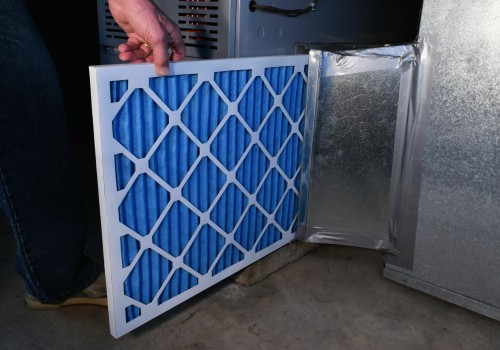
Instead, consider using fans or natural ventilation in the early morning or late evening when temperatures are cooler. This practice not only saves money but also reduces strain on the electrical grid.Regular maintenance of your air conditioning unit is essential for optimal performance. Dirty filters can restrict airflow and force your AC to work harder, leading to higher energy costs. Make it a habit to check and replace or clean your filters every month during peak usage seasons.
Additionally, ensure that vents are unobstructed and that there are no leaks in the ductwork, as these issues can also lead to inefficiencies.Utilizing smart technology can further enhance your energy savings. Smart thermostats allow you to program temperature settings based on your schedule, ensuring that the AC runs only when needed. Some models even learn your habits over time and adjust automatically for maximum efficiency.Lastly, consider implementing zoning systems in larger homes. By cooling only the rooms that are in use, you can avoid wasting energy on unoccupied spaces.
This targeted approach not only improves comfort but also significantly reduces overall cooling costs.In summary, being mindful of your air conditioning usage habits can lead to substantial savings on your electricity bills. By adjusting temperature settings, timing usage wisely, maintaining your unit, leveraging smart technology, and considering zoning systems, you can enjoy a cool home without breaking the bank.
Calculating Your Air Conditioning Costs: A Step-by-Step Guide
Understanding how to calculate the cost of running your air conditioner is essential for managing your energy expenses effectively. By following a systematic approach, you can gain insights into your AC's operational costs and make informed decisions about usage and potential upgrades.To begin, you need to gather some key information:- Wattage of Your AC Unit: This is typically listed on the unit itself or in the user manual. It indicates how much power your air conditioner consumes while operating.
- Hours of Operation: Estimate how many hours per day you run your AC.
This can vary based on your comfort preferences and local climate conditions.
- Electricity Rate: Check your latest utility bill to find out how much you are charged per kilowatt-hour (kWh). This rate can fluctuate based on your location and provider.
Hourly Cost = (Wattage x Hours Used) / 1000 x Electric RateHourly Cost = (2000 x 6) / 1000 x 0.15 = $1.80Monthly Cost = Hourly Cost x Total Hours Used = $1.80 x 180 = $324By understanding these costs, you can explore options such as adjusting your usage patterns or considering more energy-efficient models when searching for AC near me.
Common Issues Leading to Increased AC Costs
When it comes to the operation of your air conditioning unit, several common issues can lead to a significant increase in electricity costs. Understanding these problems is crucial for maintaining efficiency and keeping your energy bills manageable.1.Dirty Air Filters
One of the most prevalent issues affecting air conditioning systems is dirty or clogged air filters. When filters are not cleaned or replaced regularly, they restrict airflow, forcing the AC unit to work harder to cool your home. This increased workload not only raises energy consumption but can also lead to premature wear and tear on the system.
2.Refrigerant Leaks
Refrigerant is essential for the cooling process in your AC unit.
If there are leaks in the refrigerant lines, the system will struggle to maintain the desired temperature, leading to higher energy usage. Additionally, low refrigerant levels can cause the compressor to overheat, resulting in costly repairs.
3.Duct Leaks
Leaky ducts can significantly impact the efficiency of your air conditioning system. If conditioned air escapes through gaps or holes in the ductwork, your AC will have to work harder to maintain a comfortable temperature. Regular inspections and sealing of ductwork can help mitigate this issue.
4.Thermostat Issues
A malfunctioning thermostat can lead to erratic cooling cycles, causing your AC unit to run longer than necessary.
This not only increases energy consumption but can also result in uncomfortable indoor temperatures. Ensuring that your thermostat is calibrated correctly and functioning properly is vital for efficient operation.
5.Lack of Maintenance
Regular maintenance is key to preventing many common air conditioning problems. Neglecting routine check-ups can lead to minor issues escalating into major repairs, which can be costly both in terms of repair expenses and increased energy bills. Schedule annual maintenance with a qualified technician who can inspect and service your unit effectively.
6.Improper Sizing
If your air conditioning unit is too large or too small for your space, it will operate inefficiently.
An oversized unit will cycle on and off frequently, while an undersized unit will struggle to cool adequately, both leading to increased energy costs. Consulting with an HVAC professional when purchasing or replacing an AC unit can help ensure proper sizing.By addressing these common issues proactively, you can enhance the efficiency of your air conditioning system and reduce unnecessary increases in electricity bills. Regular maintenance and timely repairs are essential for keeping your AC running smoothly and economically.
<strong>Conclusion</strong>: Key Takeaways on Air Conditioning Costs
In summary, understanding the high cost of running an AC is crucial for homeowners looking to manage their energy expenses effectively. Throughout this article, we have explored several key factors that contribute to the overall costs associated with air conditioning.First and foremost, the efficiency of your air conditioning unit plays a significant role in determining how much energy it consumes.Regular maintenance, such as cleaning or replacing filters and checking for duct leaks, can enhance your unit's performance and reduce energy usage. A well-maintained system not only cools your home more effectively but also operates at a lower cost.Additionally, the size of your air conditioning unit, measured in BTUs (British Thermal Units), directly impacts its energy consumption. It is essential to choose a unit that is appropriately sized for your space; an oversized unit will cycle on and off frequently, leading to increased wear and higher energy bills, while an undersized unit will struggle to cool your home efficiently.Your local electric rates also significantly influence the cost of running an AC. Depending on where you live, electricity prices can vary widely, affecting your monthly bills.
Therefore, it’s wise to be aware of these rates when calculating your expected costs.Moreover, your personal usage habits are a critical factor. Keeping your AC running continuously or setting it to extremely low temperatures can lead to skyrocketing bills. Instead, consider using programmable thermostats or smart home technology to optimize usage based on your schedule.Finally, if you find yourself searching for AC near me , it may be beneficial to consult with local HVAC professionals who can provide tailored advice on energy-efficient models and maintenance practices specific to your area.By taking these factors into account and adopting efficient practices, you can significantly reduce the financial burden of air conditioning while ensuring a comfortable living environment during those hot summer months.