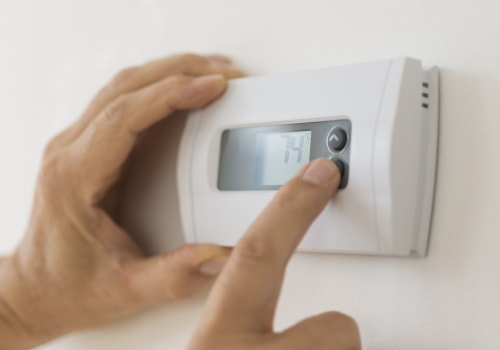
As temperatures rise during the summer months, many homeowners find themselves relying heavily on their air conditioning systems to maintain a comfortable indoor environment. However, this reliance often comes with a hefty price tag, as energy costs can skyrocket when air conditioning units are in constant use. Understanding the intricate relationship between energy costs and air conditioning usage is crucial for anyone looking to manage their monthly expenses effectively.Air conditioning systems are designed to cool our homes, but they also consume a significant amount of electricity. In fact, according to the U.
S. Department of Energy, air conditioning accounts for about 6% of all the electricity produced in the United States. This statistic highlights the importance of energy efficiency in cooling systems, as even small adjustments can lead to substantial savings on energy bills. By optimizing how we use our air conditioners, we can not only enhance our comfort but also reduce our environmental footprint.One of the key factors influencing energy costs is the temperature setting on your thermostat.
Many people are unaware that even a slight increase in temperature can lead to considerable savings. For instance, setting your thermostat just a few degrees higher can reduce energy consumption significantly without sacrificing comfort. This is where understanding energy efficiency becomes essential; it empowers homeowners to make informed decisions that benefit both their wallets and the planet.In this article, we will delve deeper into how adjusting your air conditioning settings can lead to lower energy bills while still keeping your home cool and comfortable. We will explore practical tips and strategies that can help you achieve optimal temperature settings and maximize your energy savings.
The Ideal Temperature Setting for Your AC
Finding the right temperature setting for your air conditioning unit is crucial not only for your comfort but also for your energy bills.The recommended thermostat setting of 78 degrees Fahrenheit strikes a balance between maintaining a cool environment and minimizing energy consumption. This temperature is often considered the sweet spot for several reasons.When you set your AC to 78 degrees, it operates efficiently without overworking itself. Lowering the thermostat to cooler settings, such as 72 degrees, forces the unit to work harder, leading to increased energy usage and higher bills. In fact, the U.
Department of Energy suggests that for every degree you raise your thermostat above 72 degrees, you can save approximately 3% on your cooling costs. This means that even a small adjustment can lead to significant savings over time.Moreover, the ideal AC temperature can vary based on individual comfort levels and regional climates. For instance, if you live in a particularly humid area, you might find that a slightly lower setting is necessary to achieve comfort. However, for most households, especially in moderate climates, 78 degrees is sufficient.To enhance comfort at this temperature, consider using ceiling fans or portable fans in conjunction with your air conditioning system. can vary based on individual comfort levels and regional climates. For instance, if you live in a particularly humid area, you might find that a slightly lower setting is necessary to achieve comfort. However, for most households, especially in moderate climates, 78 degrees is sufficient.To enhance comfort at this temperature, consider using ceiling fans or portable fans in conjunction with your air conditioning system.
Fans create a wind chill effect that can make the air feel cooler without needing to lower the thermostat. This combination allows you to maintain a comfortable environment while keeping energy costs down.In addition to adjusting your thermostat, regular maintenance of your AC unit is essential for optimal performance. Ensure that air filters are changed regularly and that the unit is cleaned to prevent dust buildup, which can hinder efficiency. Furthermore, keeping blinds and curtains closed during peak sunlight hours can help keep your home cooler and reduce the workload on your air conditioner.In summary, setting your air conditioning unit to 78 degrees Fahrenheit is an effective strategy for achieving energy savings while ensuring comfort in your home.
By making this simple adjustment and incorporating additional cooling methods, you can enjoy a pleasant indoor climate without breaking the bank on energy bills.
How Temperature Affects Energy Consumption
Understanding how temperature settings influence energy consumption is crucial for homeowners looking to reduce their cooling costs. Air conditioners operate on a simple principle: they remove heat from the indoor air and expel it outside. However, the efficiency of this process is significantly affected by the thermostat setting.When you set your air conditioner to a lower temperature, such as 70 degrees Fahrenheit, the unit must work harder to maintain that temperature, especially during peak heat hours. This increased workload leads to higher energy consumption.In contrast, setting your thermostat to a higher temperature, like 78 degrees, allows the AC to cycle on and off less frequently, which can lead to substantial energy savings.
Energy Consumption and Temperature Settings
- For every degree you lower your thermostat below 78 degrees, you can expect an increase in energy usage of about 6-8%.
- Conversely, raising your thermostat by just a few degrees can lead to significant savings on your monthly energy bill.
Maximizing AC Efficiency
To maximize the efficiency of your air conditioning system while keeping energy costs down, consider the following:
- Regular Maintenance: Ensure that your AC unit is well-maintained. Clean or replace filters regularly and schedule professional check-ups to keep it running efficiently.
- Smart Thermostats: Invest in a programmable or smart thermostat that can adjust temperatures based on your schedule, ensuring that you’re not cooling an empty house.
- Insulation and Sealing: Improve your home’s insulation and seal any leaks around windows and doors to prevent cool air from escaping.
The Role of Climate in Temperature Settings
When it comes to determining the best temperature settings for your air conditioning unit, understanding the impact of climate is crucial.Different geographical locations experience varying weather patterns, which can significantly influence how you should adjust your thermostat for optimal comfort and energy efficiency.
Regional Temperature Adjustments
In regions with consistently high temperatures, such as the southern United States, homeowners may find that setting their AC units to a lower temperature is necessary for comfort. In these areas, outdoor temperatures can soar above 90 degrees Fahrenheit, making it challenging to maintain a comfortable indoor environment at 78 degrees. In such cases, a setting of 75 to 76 degrees may be more appropriate to combat the heat effectively.Conversely, in cooler climates, such as the northern states, maintaining a temperature of 78 degrees may be more than sufficient. Here, the outdoor temperatures rarely reach extreme highs, allowing residents to enjoy a comfortable indoor atmosphere without overworking their AC units.
This not only enhances comfort but also contributes to lower energy bills.
Humidity Effects
Humidity plays a significant role in how we perceive temperature. High humidity levels can make the air feel warmer than it actually is, leading many people to lower their thermostat settings in an attempt to feel cooler. In humid regions, such as parts of Florida or Louisiana, it’s essential to consider both temperature and humidity when setting your AC. A temperature of 78 degrees might feel stifling in high humidity, prompting adjustments to around 76 degrees or even lower.To combat humidity effectively without excessively lowering your thermostat, consider using dehumidifiers or ensuring that your air conditioning system is equipped with a good dehumidification feature.
This can help maintain comfort while allowing you to keep your thermostat at a more energy-efficient setting.
Conclusion
Ultimately, understanding how climate affects your air conditioning settings is vital for achieving both comfort and energy savings. By adjusting your thermostat based on regional temperatures and humidity levels, you can optimize your cooling system's performance while keeping energy costs manageable. Always remember that what works for one region may not be suitable for another; therefore, tailor your settings according to your local climate conditions.
Enhancing Comfort While Saving Energy
Maintaining a comfortable indoor environment while keeping energy costs low is a challenge many homeowners face, especially during the sweltering summer months. Fortunately, there are several effective strategies to enhance comfort without significantly increasing your energy bills.Utilizing Ceiling Fans Effectively
One of the most efficient ways to improve comfort is by using ceiling fans.These devices create a wind-chill effect that can make a room feel cooler than it actually is. Here are some tips for maximizing their effectiveness:
- Set the Right Direction: Ensure your ceiling fan is rotating counterclockwise during the summer months. This direction pushes cool air down, creating a refreshing breeze.
- Use Fans Wisely: Turn off ceiling fans when you leave a room. Fans cool people, not spaces, so they are most effective when you are present.
- Combine with AC: Use ceiling fans in conjunction with your air conditioning system.
This allows you to set your thermostat a few degrees higher while still feeling comfortable.
Optimize Your Home's Insulation
Another critical factor in maintaining comfort is ensuring your home is well-insulated. Proper insulation helps keep cool air inside and hot air outside, reducing the workload on your air conditioning unit. Consider the following:- Seal Leaks: Check for gaps around windows and doors where cool air might escape. Use weather stripping or caulk to seal these leaks.
- Insulate Attics and Walls: Adequate insulation in attics and walls can significantly reduce heat transfer, keeping your home cooler.
Strategic Use of Window Treatments
Your choice of window treatments can also impact indoor temperatures.Here are some strategies:
- Close Blinds and Curtains: During the hottest parts of the day, keep blinds and curtains closed to block out direct sunlight, which can raise indoor temperatures.
- Use Reflective Window Films: Consider applying reflective films to windows to reduce heat gain while still allowing natural light to enter.
Regular Maintenance for Optimal Performance
To ensure your air conditioning unit operates at peak efficiency, regular maintenance is essential. Just like any other appliance in your home, your AC system requires attention to function optimally and to extend its lifespan. Neglecting maintenance can lead to decreased performance, higher energy bills, and costly repairs.1.Change or Clean Air Filters
One of the simplest yet most effective maintenance tasks is to regularly change or clean the air filters.
Clogged filters restrict airflow, forcing your AC unit to work harder to cool your home. This not only increases energy consumption but can also lead to overheating and potential breakdowns. Aim to check your filters monthly and replace or clean them every 1-3 months, depending on usage and the type of filter.
2.Schedule Professional Inspections
While some maintenance tasks can be performed by homeowners, scheduling a professional inspection at least once a year is crucial. A qualified technician can identify potential issues before they become major problems, ensuring that your system runs efficiently.
During these inspections, technicians will check refrigerant levels, inspect electrical components, and clean the coils.
3.Keep the Outdoor Unit Clear
The outdoor condenser unit should be free from debris such as leaves, dirt, and grass clippings. Ensure there is at least two feet of clearance around the unit for proper airflow. Regularly inspect the area around the unit and trim back any overgrown vegetation that may obstruct airflow.
4.Check Thermostat Settings
Your thermostat plays a critical role in regulating your home's temperature. Ensure it is functioning correctly and consider upgrading to a programmable or smart thermostat for enhanced energy savings.
These devices allow you to set schedules for when your AC should run, optimizing energy use based on your daily routine.
5.Seal Ducts and Insulate
If your home has ductwork, inspect it for leaks or gaps that could allow cool air to escape. Sealing these leaks can significantly improve efficiency and reduce energy costs. Additionally, ensure that your home is well-insulated to keep cool air inside during hot months.By implementing these AC maintenance tips, you can improve your air conditioner's efficiency and enjoy lower energy bills while maintaining a comfortable indoor environment. Regular upkeep not only enhances performance but also contributes to a longer lifespan for your unit, making it a worthwhile investment in your home's comfort and energy savings.
Common Myths About Air Conditioning and Energy Use
When it comes to air conditioning and energy use, there are numerous myths that can lead to confusion and potentially higher energy bills.Understanding these misconceptions is crucial for homeowners looking to optimize their cooling systems and reduce costs. Here are some of the most common myths surrounding air conditioning:
- Myth 1: Setting the thermostat lower cools the home faster. Many people believe that cranking down the thermostat will cool their home more quickly. In reality, air conditioners cool at a constant rate, regardless of the thermostat setting. Setting it lower only forces the unit to run longer, increasing energy consumption without providing additional comfort.
- Myth 2: Ceiling fans can replace air conditioning. While ceiling fans can help circulate air and create a wind chill effect, they do not lower the temperature of a room.
They are most effective when used in conjunction with an air conditioning system, allowing you to raise the thermostat setting while still feeling comfortable.
- Myth 3: Closing vents in unused rooms saves energy. Many homeowners think that closing vents will save energy by directing airflow to occupied spaces. However, this can create pressure imbalances in your HVAC system, leading to inefficiencies and potential damage. It’s better to keep vents open and adjust your thermostat accordingly.
- Myth 4: Energy-efficient AC units don’t need maintenance. Even the most efficient air conditioning systems require regular maintenance to operate at peak performance. Neglecting routine tasks like changing filters and cleaning coils can lead to decreased efficiency and higher energy bills.
- Myth 5: It’s cheaper to leave the AC running all day than to turn it off. While it may seem convenient to leave your AC running, turning it off when you’re not home can save money.
Modern units are designed to cool down quickly when turned back on, especially if you set them at a higher temperature while away.
Conclusion: Achieving Comfort and Savings with Your AC
In summary, achieving a balance between comfort and energy savings with your air conditioning system is not only possible but essential for managing your monthly expenses. By setting your thermostat to 78 degrees Fahrenheit , you can significantly reduce your energy consumption while still enjoying a cool and comfortable living environment. This simple adjustment can lead to substantial savings over time, making it a practical choice for homeowners looking to cut costs.Moreover, understanding the mechanics of your air conditioning unit and how temperature settings affect its efficiency is crucial.When you set your thermostat lower than necessary, your AC unit works harder, consuming more energy and driving up your bills. Conversely, maintaining a higher temperature allows the system to operate more efficiently, reducing wear and tear while extending its lifespan.To further enhance your energy savings, consider implementing additional strategies:
- Utilize ceiling fans: These can help circulate cool air throughout your home, allowing you to feel cooler without lowering the thermostat.
- Regular maintenance: Keep your AC unit in top shape by changing filters regularly and scheduling professional check-ups to ensure optimal performance.
- Block out heat: Use blinds or curtains during the hottest parts of the day to prevent heat from entering your home.
- Consider programmable thermostats: These devices can automatically adjust temperatures based on your schedule, ensuring efficiency even when you're not home.