When it comes to maintaining a comfortable living environment, air conditioning plays a pivotal role, especially in regions where summer heat can be relentless. However, the true cost of air conditioning extends far beyond the initial purchase price of the unit. Homeowners often find themselves grappling with various expenses associated with installation, maintenance, and energy consumption. Understanding these costs is essential for anyone considering an AC system, whether they are searching for AC near me or evaluating their current setup.The price of air conditioning systems can vary significantly based on several factors.
These include the type of unit selected—be it central air, ductless mini-split, or window units—as well as the size and efficiency rating of the system. Additionally, local market conditions and labor costs can influence installation prices. For instance, a homeowner in a metropolitan area may face higher installation fees compared to someone in a rural setting. Furthermore, the choice of energy-efficient models may come with a higher upfront cost but can lead to substantial savings on energy bills over time.Moreover, ongoing maintenance is another critical aspect that affects the overall cost of air conditioning.
Regular servicing not only ensures optimal performance but also extends the lifespan of the unit. Neglecting maintenance can lead to costly repairs and increased energy consumption due to inefficiencies. Therefore, understanding these various factors is crucial for homeowners who want to make informed decisions about their air conditioning needs.
Understanding the Basics of Air Conditioning Systems
To truly grasp the cost of air conditioning , it is essential to understand the fundamental principles behind how these systems operate. Air conditioning systems are designed to regulate indoor temperatures, providing comfort during hot weather.They achieve this through a process known as refrigeration, which involves the transfer of heat from inside a building to the outside environment.At the core of most air conditioning systems is a refrigerant, a fluid that absorbs and releases heat as it circulates through the system. The basic components of an air conditioning unit include:
- Compressor: This component compresses the refrigerant, raising its temperature and pressure before it moves to the condenser.
- Condenser: Located outside the home, the condenser releases heat from the refrigerant into the outdoor air, allowing it to cool and condense into a liquid.
- Expansion Valve: This valve reduces the pressure of the refrigerant, allowing it to expand and cool before entering the evaporator.
- Evaporator: Inside the home, the evaporator absorbs heat from indoor air, causing the refrigerant to evaporate and cool down the surrounding area.
- Central Air Conditioning: This system uses a network of ducts to distribute cooled air throughout a home. It is ideal for larger spaces and offers consistent cooling.
- Window Units: These are self-contained units that fit into a window frame. They are suitable for cooling single rooms and are often more affordable than central systems.
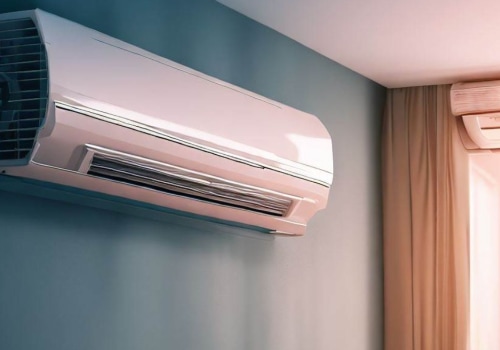
- Split Systems: Comprising an outdoor compressor and one or more indoor units, split systems provide flexibility in cooling different areas of a home without ductwork.
- Portable Air Conditioners: These units can be moved from room to room and do not require permanent installation.
They are perfect for renters or those needing temporary cooling solutions.
Factors Influencing the Cost of Air Conditioning
Understanding the cost of air conditioning involves examining several key factors that can significantly influence the overall price. These factors range from the size and type of the unit to installation costs and seasonal demand fluctuations.Unit Size and Capacity
The size of the air conditioning unit is one of the most critical factors affecting its cost. Air conditioners are rated by their cooling capacity, measured in British Thermal Units (BTUs).A unit that is too small for your space will struggle to cool effectively, leading to higher energy bills and potential damage. Conversely, an oversized unit may cool too quickly without adequately dehumidifying the air, which can also lead to discomfort and inefficiency. Therefore, it’s essential to choose a unit that is appropriately sized for your home. Consulting with a professional can help you determine the right capacity based on your specific needs.
Energy Efficiency Ratings
Another significant factor is the energy efficiency rating of the air conditioning unit.Units with higher Seasonal Energy Efficiency Ratios (SEER) tend to have a higher upfront cost but can save you money in the long run through reduced energy consumption. Investing in an energy-efficient model not only lowers your monthly utility bills but also contributes to a smaller carbon footprint. When searching for AC near me, consider looking for models with ENERGY STAR certification, which indicates superior energy efficiency.
Installation Costs
The installation process can also add to the overall cost of air conditioning. Factors such as the complexity of the installation, the need for additional ductwork, or modifications to your home can all impact labor costs.It’s advisable to obtain multiple quotes from licensed HVAC professionals to ensure you receive a fair price for installation. Additionally, some companies may offer seasonal promotions or financing options that can help mitigate upfront costs.
Seasonal Demand Fluctuations
Finally, seasonal demand plays a crucial role in determining air conditioning prices. During peak summer months, when demand is high, prices for both units and installation services may increase. Conversely, purchasing an air conditioner during off-peak seasons can lead to significant savings.If you’re planning to buy a new AC system, timing your purchase can be just as important as choosing the right model.In summary, understanding these factors—unit size, energy efficiency ratings, installation costs, and seasonal demand—can empower you to make informed decisions when considering air conditioning options. By doing so, you can find a solution that fits both your comfort needs and budget.
Energy Consumption and Its Impact on Costs
When it comes to air conditioning, one of the most significant factors influencing overall costs is energy consumption. Air conditioners are notorious for their high electricity usage, especially during peak summer months when temperatures soar. Understanding how energy consumption impacts your electricity bills can help homeowners make informed decisions about their AC systems and potentially save money in the long run.Air conditioning units are rated by their energy efficiency, which is typically indicated by the Seasonal Energy Efficiency Ratio (SEER).The higher the SEER rating, the more efficient the unit is at converting electricity into cooling power. For instance, a unit with a SEER rating of 16 will consume less energy than one with a rating of 10 while providing the same cooling output. This difference can lead to substantial savings on your monthly electricity bills.To illustrate this point, consider a scenario where two households use air conditioning units with different SEER ratings. If both homes maintain similar cooling needs and usage patterns, the home with the higher SEER-rated unit could save hundreds of dollars annually on energy costs.
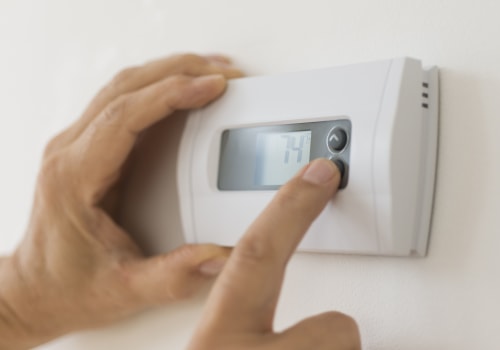
Therefore, when searching for AC near me, it’s crucial to prioritize energy-efficient models that can significantly reduce long-term expenses.Moreover, regular maintenance plays a vital role in ensuring that your air conditioning system operates efficiently. Neglecting routine upkeep can lead to decreased performance and increased energy consumption. Simple tasks such as cleaning or replacing filters, checking for duct leaks, and ensuring that the outdoor unit is free from debris can enhance efficiency and lower energy bills.In addition to maintenance, homeowners should also consider their usage habits. Setting the thermostat to a higher temperature when away from home or using programmable thermostats can help reduce energy consumption.
Each degree of temperature adjustment can lead to a noticeable decrease in energy use, further contributing to lower electricity bills.In conclusion, understanding the relationship between energy consumption and costs is essential for any homeowner relying on air conditioning. By investing in high-efficiency units, committing to regular maintenance, and adopting smart usage practices, you can significantly mitigate the financial impact of cooling your home during those sweltering summer months.
Maintenance Costs and Their Importance
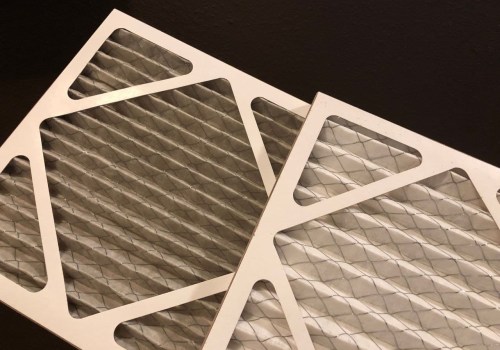
Regular maintenance of your air conditioning system is not just a recommendation; it is a necessity that can significantly impact both the performance and longevity of your unit. Neglecting maintenance can lead to a host of problems, resulting in higher costs over time. Understanding the importance of AC maintenance and the associated costs can help you make informed decisions about your cooling system.One of the most common maintenance tasks is changing or cleaning the air filters.Clogged filters restrict airflow, forcing your AC unit to work harder, which can lead to increased energy consumption and higher utility bills. Typically, replacing or cleaning filters can cost between $20 to $50, depending on the type and size of the filter. It is advisable to check your filters monthly and replace them every 1-3 months for optimal performance.Another essential maintenance task involves inspecting and cleaning the condenser coils. Dirty coils can reduce your system's efficiency by up to 30%.
Hiring a professional for this service usually costs between $100 and $300, but it can save you from more expensive repairs down the line.Additionally, checking for duct leaks is crucial. Leaky ducts can waste a significant amount of energy, leading to higher cooling costs. Sealing these leaks can cost anywhere from $150 to $500, depending on the extent of the issue. Regular inspections can help identify these problems early, preventing costly repairs later.Moreover, scheduling an annual tune-up with a qualified technician is highly recommended.
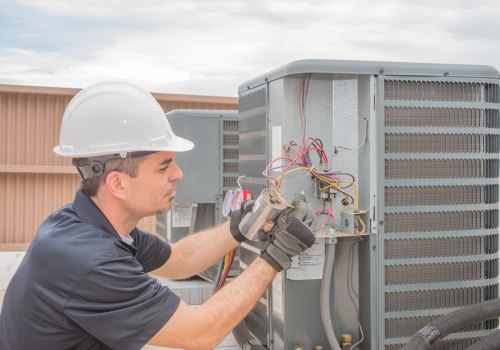
This comprehensive service typically costs between $75 and $200 and includes checking refrigerant levels, inspecting electrical components, and ensuring that all parts are functioning correctly. Regular tune-ups not only enhance efficiency but also extend the lifespan of your AC unit.In summary, while there are upfront costs associated with air conditioning maintenance , these expenses are minor compared to the potential costs of neglecting your system. By investing in regular maintenance, you can avoid unexpected breakdowns and costly repairs in the future. If you're searching for AC near me, consider local HVAC professionals who offer maintenance packages tailored to your needs.
The Role of Refrigerants in Air Conditioning Costs
Refrigerants play a crucial role in the operation and efficiency of air conditioning systems, directly influencing both their performance and cost.Traditionally, many air conditioning units utilized R-22, commonly known as freon, as their refrigerant. However, due to its detrimental effects on the ozone layer, the production of R-22 has been phased out under the Montreal Protocol, leading to significant implications for both consumers and service providers.The transition away from R-22 has resulted in increased costs for maintenance and repairs. As the supply of R-22 dwindles, the price has surged, making it increasingly expensive for homeowners to recharge their systems if they experience a refrigerant leak. In fact, some estimates suggest that the cost of R-22 can be several times higher than that of newer refrigerants.
This price increase is not just a temporary spike; it reflects a long-term trend as the availability of R-22 continues to decline.In response to environmental concerns, manufacturers have developed alternative refrigerants such as R-410A and R-32, which are more environmentally friendly and do not contribute to ozone depletion. While these newer refrigerants are less harmful to the environment, they also come with their own set of challenges. For instance, systems designed for R-410A or R-32 often require different components and may not be compatible with older units that use R-22. This means that homeowners with aging air conditioning systems may face higher costs if they need to replace their units entirely.Moreover, the shift towards more eco-friendly refrigerants can also affect the overall pricing structure of air conditioning systems. As demand for new units that utilize these alternatives increases, so too does their market price.
Homeowners searching for AC near me may find that while initial costs for newer systems might be higher, they could save money in the long run through improved energy efficiency and lower refrigerant costs.In conclusion, understanding the role of refrigerants in air conditioning is essential for making informed decisions about your cooling system. The transition from R-22 to more sustainable options not only impacts immediate costs but also has long-term implications for energy efficiency and environmental responsibility.
Installation Costs: What to Expect
When considering the installation of an air conditioning system, understanding the associated costs is crucial for budgeting and planning. The total cost of installation can vary significantly based on several factors, including the type of system you choose, the complexity of the installation, and regional pricing differences.1.Type of Air Conditioning System
- Central Air Conditioning: This is typically the most expensive option due to the need for ductwork and a larger unit. Installation costs can range from $3,000 to $7,000 or more, depending on the size of your home and the efficiency rating of the unit.
- Window Units: These are generally more affordable, with installation costs averaging between $150 and $500.
However, they are less efficient for cooling larger spaces.
- Split Systems: Ductless mini-split systems offer flexibility and efficiency but can cost between $2,000 and $5,000 for installation.
2.Labor Rates
The cost of hiring an HVAC contractor can vary widely based on your location. In urban areas or regions with a high cost of living, labor rates may be higher. On average, you can expect to pay between $50 and $150 per hour for professional installation services. It's advisable to obtain multiple quotes from contractors in your area to ensure competitive pricing.
3.Complexity of Installation
The complexity of your installation will also impact costs.
Factors such as:
- The need for new ductwork or modifications to existing ducts
- Electrical upgrades required for the new system
- Access to installation sites (e.g., tight spaces or multi-story homes)
4.Regional Pricing Variations
Prices can also fluctuate based on regional demand and availability of HVAC contractors. For instance, if you search for AC near me, you may find that local contractors have different pricing structures based on their market conditions. It's beneficial to research local averages and consider seasonal promotions that may help reduce costs.In summary, when planning for air conditioning installation, it's essential to consider these factors carefully.
By understanding what influences installation costs, you can make informed decisions that align with your budget and cooling needs.
Seasonal Demand and Its Effect on Pricing
Understanding the impact of seasonal demand on air conditioning prices is crucial for consumers looking to make informed purchasing decisions. As temperatures rise during the summer months, the demand for air conditioning systems typically surges. This increased demand can lead to significant price fluctuations, making it essential to be aware of when to buy.During peak summer months, many homeowners find themselves searching for AC near me as they seek immediate relief from the heat. This spike in demand often results in higher prices for both new units and repair services.Retailers and service providers may raise their prices due to the increased workload and limited availability of products. Consequently, consumers may end up paying a premium for air conditioning systems or repairs during this time.In contrast, the off-season—typically late fall and winter—can present a more favorable environment for purchasing air conditioning units. During these months, demand significantly decreases, leading to lower prices and more promotions from retailers eager to clear out inventory. Homeowners who plan ahead and purchase their AC systems during this period can save a considerable amount of money.Additionally, many HVAC companies offer discounts or special financing options during the off-peak season to encourage sales.
This can be an excellent opportunity for consumers to invest in energy-efficient models that may not only save them money upfront but also reduce their energy bills in the long run.To maximize savings, consider the following tips:
- Research Off-Season Sales: Keep an eye out for sales events during the fall and winter months when retailers are looking to move inventory.
- Schedule Maintenance in Off-Peak Times: Regular maintenance is essential for keeping your AC running efficiently. Scheduling maintenance during the off-season can often be less expensive.
- Plan Ahead: If you know you will need a new unit, start researching early in the year. This allows you to compare prices and find the best deals.
- Consider Energy Efficiency: Investing in an energy-efficient model may have a higher upfront cost but can lead to significant savings on energy bills over time.
Comparing Costs: New Units vs. Repairs vs.
MaintenanceWhen considering the costs associated with air conditioning, homeowners often find themselves weighing the options between purchasing a new unit, repairing an existing one, or investing in regular maintenance. Each choice comes with its own set of financial implications, and understanding these can help you make a more informed decision.
New Units vs. Repairs
Investing in a new air conditioning unit can be a significant expense, often ranging from $3,000 to $7,000 depending on the size and efficiency of the system. However, this cost can be justified if your current unit is over 10-15 years old and frequently requires repairs.
In such cases, the cumulative costs of repairs can quickly add up, making a new purchase more economical in the long run.On the other hand, if your air conditioner is relatively new and only requires minor repairs—such as replacing a capacitor or fixing a refrigerant leak—the cost of these repairs may be significantly lower than that of a new unit. Typical repair costs can range from $150 to $1,500 depending on the issue. Therefore, if your unit is still under warranty or has been well-maintained, opting for repairs might be the more financially sound choice.
When to Replace Your Air Conditioner
Deciding when to replace your air conditioner involves evaluating several factors:
- Age: If your AC unit is over 15 years old, it may be time to consider replacement.
- Efficiency: Older units often have lower SEER ratings (Seasonal Energy Efficiency Ratio), leading to higher energy bills.
- Frequent Repairs: If you find yourself calling for repairs multiple times each season, it may be more cost-effective to invest in a new system.
- Comfort Issues: If your home is not cooling evenly or efficiently, it could indicate that your system is failing.
The Importance of Maintenance
Regular maintenance is crucial for extending the lifespan of your air conditioning system and ensuring it operates efficiently. Basic maintenance tasks include:
- Changing or cleaning filters every 1-3 months.
- Scheduling annual professional inspections to catch potential issues early.
- Cleaning the condenser coils and ensuring proper airflow around the unit.
By investing in maintenance, you not only prolong the life of your AC unit but also enhance its performance.In conclusion, whether you are searching for AC near me, considering a new purchase, or weighing repair options, understanding these costs will empower you to make decisions that best suit your financial situation and comfort needs.
<strong>Conclusion</strong>
In conclusion, understanding the true cost of air conditioning is essential for homeowners and renters alike, especially when searching for AC near me. The financial implications extend beyond the initial purchase price of the unit; they encompass installation, maintenance, and operational costs that can accumulate over time. By being aware of these factors, you can make informed decisions that not only enhance your comfort but also protect your wallet.One of the most significant aspects to consider is energy consumption. Air conditioning systems are notorious for their high electricity usage, which can lead to soaring utility bills during peak summer months.To mitigate these costs, it’s crucial to invest in energy-efficient models that are designed to consume less power while providing optimal cooling. Look for units with high SEER (Seasonal Energy Efficiency Ratio) ratings, as these will save you money in the long run.Regular maintenance is another critical factor that can influence the overall cost of air conditioning. Neglecting routine check-ups can lead to decreased efficiency and costly repairs down the line. Simple tasks such as changing filters, cleaning coils, and checking refrigerant levels can significantly extend the lifespan of your unit and improve its performance.
Additionally, consider scheduling professional inspections at least once a year to catch any potential issues before they escalate.Moreover, if your system relies on outdated refrigerants like R-22, be prepared for increased costs associated with repairs and maintenance. As supplies dwindle due to environmental regulations, the price of freon has skyrocketed, making it imperative to consider upgrading to a more modern system that uses eco-friendly refrigerants.Ultimately, while the upfront costs of air conditioning may seem daunting, understanding the long-term implications and taking proactive measures can lead to significant savings. Whether you’re looking for AC near me or considering an upgrade, being informed about these factors will empower you to make choices that enhance both your comfort and financial well-being.