Air conditioning systems are essential for maintaining comfort in our homes, especially during the sweltering summer months. But what exactly is air conditioning? At its core, air conditioning refers to the process of controlling the temperature, humidity, and air quality within an indoor space. This is achieved through a variety of systems designed to cool and dehumidify the air, making it more comfortable for occupants. Understanding how AC systems work is crucial for homeowners looking to optimize their energy usage and comfort levels. Most air conditioning units operate on a simple principle: they remove heat from the indoor air and transfer it outside.
This process typically involves a refrigerant that absorbs heat as it evaporates and releases it when it condenses. The cycle of evaporation and condensation is what allows the AC unit to cool the air effectively. There are several types of air conditioning systems available, each with its own unique features and benefits. The most common types include central air conditioning systems, which cool an entire home through a network of ducts; window units, which are self-contained units installed in individual windows; and ductless mini-split systems, which provide targeted cooling without the need for ductwork. Understanding these options can help homeowners make informed decisions about which system best suits their needs. As we delve deeper into the benefits of turning your AC on and off, it's important to recognize how these systems function and the role they play in our daily lives.
By grasping the fundamentals of air conditioning, you can better appreciate the impact of your usage habits on both your comfort and your energy bills.
The Myth of Constantly Running Your AC
Many homeowners believe that keeping their air conditioning unit running continuously is the most efficient way to maintain a comfortable indoor environment. However, this common misconception can lead to higher energy bills and unnecessary wear on the system. Understanding the energy consumption patterns of your AC can help you make more informed decisions about its operation.When an AC unit operates continuously, it may seem like it is providing a steady stream of cool air. However, this approach can actually be counterproductive.Here are some key points to consider:
- Energy Consumption: Air conditioners are designed to cool spaces efficiently when they cycle on and off. Running the unit non-stop can lead to increased energy consumption, as the compressor works harder without adequate breaks.
- Cost Implications: The cost of running an AC unit continuously can add up quickly. While it may seem convenient to leave it on, the reality is that energy bills can skyrocket due to constant operation. In contrast, turning the unit off during cooler parts of the day or when you're not home can lead to significant savings.
- Wear and Tear: Just like any mechanical system, air conditioners experience wear and tear over time.
Continuous operation can strain components such as the compressor and fan motor, potentially leading to costly repairs or even premature replacement of the unit.
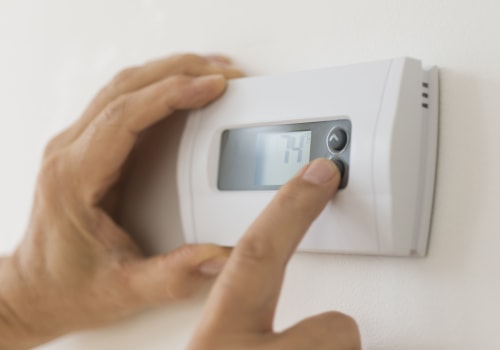
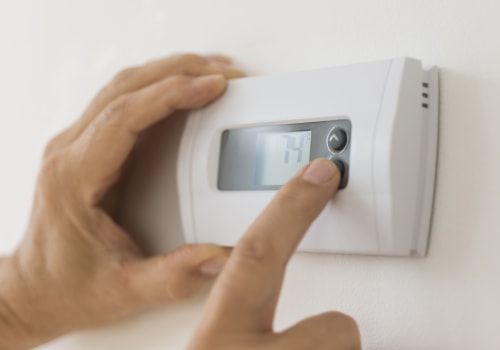
- Use a Programmable Thermostat: Investing in a programmable thermostat allows you to set specific cooling schedules based on your daily routine. This way, your AC only runs when needed, reducing unnecessary energy consumption.
- Adjust Temperature Settings: Raising your thermostat by a few degrees during peak hours can significantly reduce energy usage without sacrificing comfort. Aim for a temperature that is comfortable yet energy-efficient.
- Regular Maintenance: Schedule regular maintenance checks with an HVAC professional to ensure your system is running efficiently. A well-maintained AC unit will operate more effectively and consume less energy.
By understanding the true costs associated with constant operation and adopting smarter usage habits, you can enjoy a comfortable home while also saving money on your energy bills.
Benefits of Turning Your AC On and Off
Turning your air conditioning (AC) on and off may seem counterintuitive, but it can offer several significant benefits that contribute to both your comfort and your wallet. Understanding these advantages can help you make informed decisions about your cooling system.1.Energy Savings
One of the most compelling reasons to turn your AC off when it's not needed is the potential for energy savings. When you leave your AC running continuously, it consumes a substantial amount of electricity, leading to higher utility bills. By turning it off during cooler parts of the day or when you're not home, you can significantly reduce energy consumption.
For instance, if you adjust your thermostat by just a few degrees or turn off the unit entirely when you're away, you could see a noticeable decrease in your monthly energy costs.
2.Reduced Wear and Tear
Frequent cycling of your AC can lead to increased wear and tear on the system. However, turning it off during periods of low demand allows the unit to rest and reduces the strain on its components. This practice can extend the lifespan of your AC unit, as it minimizes the risk of mechanical failures and costly repairs. Regularly allowing your system to power down can also help maintain its efficiency over time.
3.Improved Indoor Air Quality
Another benefit of turning off your AC is the potential for improved indoor air quality.
When an AC unit runs continuously, it can circulate dust, allergens, and other pollutants throughout your home. By turning it off periodically, you allow for natural ventilation, which can help reduce indoor air contaminants. Additionally, using fans or opening windows during cooler times can enhance airflow and refresh the indoor environment.
4.Enhanced Comfort Levels
Turning your AC on and off strategically can also lead to enhanced comfort levels in your home. For example, if you know that temperatures will drop in the evening, turning off the AC allows for a more pleasant atmosphere without overcooling your space.
This approach not only saves energy but also creates a more comfortable living environment.In conclusion, while it may seem easier to leave your AC running all day, turning it on and off at appropriate times can lead to significant benefits such as energy savings, reduced wear and tear on the system, improved indoor air quality, and enhanced comfort levels. By adopting this practice and being mindful of when to use your AC, you can enjoy a more efficient cooling experience.
Optimal Temperature Settings for Your AC
Finding the optimal temperature settings for your air conditioning unit is crucial for both comfort and energy efficiency. The ideal temperature can vary based on personal preferences, but there are general guidelines that can help you strike a balance between staying cool and saving on energy costs.According to the U. S.Department of Energy, setting your thermostat to 78°F when you are at home is a good starting point. This temperature is comfortable for most people while also being energy efficient. When you raise the thermostat setting by just a few degrees, you can significantly reduce your energy consumption.For those who are away from home during the day, consider increasing the temperature to around 85°F. This adjustment can lead to substantial savings on your energy bill without sacrificing comfort when you return home.
Additionally, using a programmable thermostat can make this process seamless.
Benefits of Programmable Thermostats
Programmable thermostats allow you to set specific temperatures for different times of the day, which can enhance your energy savings. For instance, you can program your AC to cool your home before you arrive and then raise the temperature while you're away. This not only optimizes your energy use but also ensures that your home is comfortable when you need it to be.- Convenience: Set it and forget it! Once programmed, these thermostats automatically adjust according to your schedule.
- Energy Savings: By avoiding unnecessary cooling during hours when no one is home, you can lower your utility bills.
- Customization: Many models allow for multiple settings throughout the day, accommodating varying schedules and preferences.
By setting your thermostat wisely and utilizing modern technology like programmable thermostats, you can enjoy a cool home while keeping energy costs in check.
The Role of Regular Maintenance in AC Efficiency
Regular maintenance of your air conditioning system is crucial for ensuring its efficiency and longevity. Just like any other mechanical system, your AC unit requires periodic check-ups to function optimally. Neglecting maintenance can lead to a host of problems, including increased energy bills, reduced cooling capacity, and even complete system failure.Importance of AC Maintenance
One of the primary reasons to prioritize AC maintenance is the potential for significant cost savings. A well-maintained air conditioning unit operates more efficiently, which translates to lower energy consumption.
According to the U. Department of Energy, regular maintenance can improve your system's efficiency by up to 15%. This means that not only will you enjoy a cooler home during the hot months, but you will also see a noticeable reduction in your energy bills.Moreover, regular maintenance helps in identifying minor issues before they escalate into major problems. For instance, a small refrigerant leak can lead to a complete breakdown if not addressed promptly.
By scheduling routine inspections with a qualified HVAC technician, you can catch these issues early and avoid costly repairs.
How to Maintain Your AC
- Change or Clean Filters: One of the simplest yet most effective maintenance tasks is regularly changing or cleaning your air filters. Clogged filters restrict airflow and force your AC to work harder, leading to increased energy consumption.
- Inspect Ductwork: Ensure that your ductwork is free from obstructions and leaks. Poorly sealed ducts can waste up to 30% of the cooling energy.
- Clean the Coils: Both the evaporator and condenser coils should be cleaned at least once a year. Dust and debris can accumulate on these coils, reducing their ability to absorb and release heat.
- Check the Thermostat: Make sure your thermostat is functioning correctly.
Consider upgrading to a programmable thermostat for better temperature control and energy savings.
Signs Your AC Needs Service
Being proactive about maintenance means knowing when your AC needs professional attention. Here are some signs that indicate it’s time to call in an expert:
- Unusual Noises: If you hear strange sounds like grinding or squealing, it could indicate mechanical issues that require immediate attention.
- Inconsistent Temperatures: If certain rooms are warmer than others or if your AC struggles to maintain the set temperature, it may need servicing.
- Increased Energy Bills: A sudden spike in your energy costs could signal that your AC is working harder than it should due to inefficiencies.
- Foul Odors: Unpleasant smells coming from your AC could indicate mold growth or electrical issues that need urgent care. Unpleasant smells coming from your AC could indicate mold growth or electrical issues that need urgent care.
Sizing Your Air Conditioning Unit Correctly
When it comes to achieving optimal comfort in your home, one of the most critical factors is the proper sizing of your air conditioning unit. An air conditioner that is correctly sized not only enhances comfort but also improves energy efficiency, ultimately saving you money on utility bills.Understanding How to Size an AC Unit
To determine the right size for your air conditioning unit, several factors must be considered:
- Square Footage: The size of the area you want to cool is a primary factor.
Generally, the larger the space, the more cooling capacity you will need.
- Insulation Quality: Homes with better insulation retain cool air more effectively, which may allow for a smaller unit.
- Sun Exposure: Rooms that receive a lot of sunlight may require a more powerful unit to counteract the heat gain.
- Ceiling Height: Higher ceilings can increase the volume of air that needs to be cooled, necessitating a larger unit.
- Number of Occupants: More people generate additional heat, which can influence the size of the AC needed.
The Importance of Correct Sizing for AC
Choosing the right size for your air conditioning unit is crucial for several reasons:
- Energy Efficiency: An appropriately sized AC unit operates more efficiently, consuming less energy and reducing your monthly bills.
- Comfort Levels: A correctly sized unit maintains a consistent temperature throughout your home, preventing hot or cold spots.
- Lifespan of the Unit: Units that are too large or too small can experience increased wear and tear, leading to more frequent repairs and a shorter lifespan.
Oversized vs. Undersized AC Units
The consequences of improper sizing can be significant. An oversized air conditioning unit cools the space too quickly without adequately dehumidifying it. This can lead to a clammy atmosphere and discomfort.
Additionally, frequent cycling on and off can strain the system, leading to premature failure.Conversely, an undersized unit struggles to cool the space effectively, resulting in higher energy consumption as it runs continuously. This not only leads to discomfort but also increases wear on the system, potentially leading to costly repairs.In conclusion, ensuring that your air conditioning unit is properly sized is essential for maximizing comfort and efficiency in your home. Consulting with an HVAC professional can help you assess your specific needs and select the right system for your space.
Environmental Impact of Air Conditioning Usage
Air conditioning systems are essential for maintaining comfort in our homes, especially during the sweltering summer months. However, their widespread use comes with significant environmental implications.Understanding these impacts is crucial for making informed decisions about how we operate our AC units.One of the primary concerns regarding air conditioning is its contribution to greenhouse gas emissions. Traditional AC units often rely on refrigerants that can be harmful to the ozone layer and contribute to global warming. When these systems are not maintained properly, they can leak these substances into the atmosphere, exacerbating climate change. Therefore, turning your AC on and off judiciously can help mitigate these effects by reducing the overall energy consumption and wear on the system.Moreover, frequent cycling of your AC unit can lead to improved energy efficiency.
When you turn your AC off during cooler parts of the day or when you are not home, you reduce the demand for electricity. This is particularly important in regions where electricity is generated from fossil fuels, as it directly correlates with lower carbon emissions. By being mindful of your AC usage, you can play a part in reducing your carbon footprint.In addition to managing traditional air conditioning systems, there are several eco-friendly cooling options available that can further lessen environmental impact:
- Evaporative Coolers: These systems use water evaporation to cool air and consume significantly less energy than conventional AC units.
- Geothermal Heat Pumps: Utilizing the earth's stable underground temperature, these systems provide efficient heating and cooling with minimal environmental impact.
- Solar-Powered Air Conditioners: Harnessing solar energy can drastically reduce reliance on grid electricity and lower emissions.
Frequently Asked Questions About Air Conditioning Usage
When it comes to air conditioning, many homeowners have questions about the best practices for usage, especially regarding the frequency of turning their units on and off.Below are some of the most common inquiries and their answers to help you make informed decisions about your AC system.
- Is it better to leave the AC on all day or turn it off when not at home?
Leaving your AC on all day can lead to higher energy bills and unnecessary wear on the system. Instead, consider turning it off when you leave for extended periods. A programmable thermostat can help manage this efficiently by adjusting the temperature before you return. - Will frequently turning my AC on and off damage the unit?
While frequent cycling can cause some wear, modern air conditioning systems are designed to handle regular on and off cycles. However, if your unit is older or not well-maintained, it may be more susceptible to damage.Regular maintenance checks by a professional can mitigate these risks.
- How often should I schedule maintenance for my AC?
It is recommended to have your air conditioning system serviced at least once a year. This ensures that all components are functioning properly and helps identify any potential issues before they become major problems. - What temperature should I set my thermostat for optimal efficiency?
Setting your thermostat to around 78°F when you are home is generally considered optimal for comfort and efficiency. When you leave, raising it by a few degrees can save energy without sacrificing comfort significantly. - Can turning my AC off during cooler nights save energy?
Yes, if outdoor temperatures drop significantly at night, turning your AC off can save energy. You might also consider using fans or opening windows to cool your home naturally during these times.
If you're still unsure about the best practices for your specific situation, consulting with an HVAC professional can provide tailored advice based on your home's needs.
Conclusion: Making Informed Decisions About Your Air Conditioning Use
In summary, understanding the dynamics of your air conditioning system can lead to significant benefits, both in terms of comfort and cost savings. The practice of turning your AC on and off may seem counterintuitive at first, but as we've explored, it can actually enhance the efficiency of your unit when done correctly.One of the primary advantages of adjusting your AC settings is the potential for reduced energy consumption. By not allowing your air conditioner to run continuously at a low setting, you can avoid unnecessary energy expenditure. Instead, utilizing a programmable thermostat to manage your cooling schedule can optimize performance while keeping your home comfortable.Moreover, regular maintenance plays a crucial role in ensuring that your AC operates efficiently.Scheduling annual check-ups with a qualified HVAC technician can help identify any issues before they escalate, ensuring that your system runs smoothly and effectively. This proactive approach not only extends the lifespan of your unit but also minimizes the risk of costly repairs down the line.It's also essential to consider the size and capacity of your air conditioning unit. An appropriately sized system will cool your home more effectively without excessive cycling on and off. If you're unsure about whether your unit is the right fit for your space, consulting with an HVAC professional can provide valuable insights tailored to your specific needs.Ultimately, making informed decisions about how you use your air conditioning can lead to a more comfortable living environment while also being mindful of energy costs.
By embracing the practice of turning your AC on and off judiciously, along with committing to regular maintenance and proper sizing, you can enjoy a cooler home without breaking the bank.As you reflect on your own habits regarding air conditioning usage, consider implementing some of these strategies. Not only will they enhance your comfort during those hot summer months, but they will also contribute positively to both your wallet and the environment.