Here's the good news: caring for a 14x30x1 is simpler than the dusty filter makes it look. The steps below come from more than a decade of manufacturing air filters and serving over two million households, written for the homeowner doing this for the very first time. Three things sit on the line every time you change this filter: airflow through your vents, efficiency on your utility bill, and the air your family actually breathes.
The guide walks through what a 14x30x1 filter is, how often to change it, which MERV rating fits your household, how to install one without getting it backward, and the warning signs that mean you're already overdue. No jargon piles. No fear tactics. Just a positive, plainspoken guide to the 14x30x1 HVAC home air filter we wish every new homeowner got on move-in day.
TL;DR Quick Answers
14x30x1 HVAC home air filter
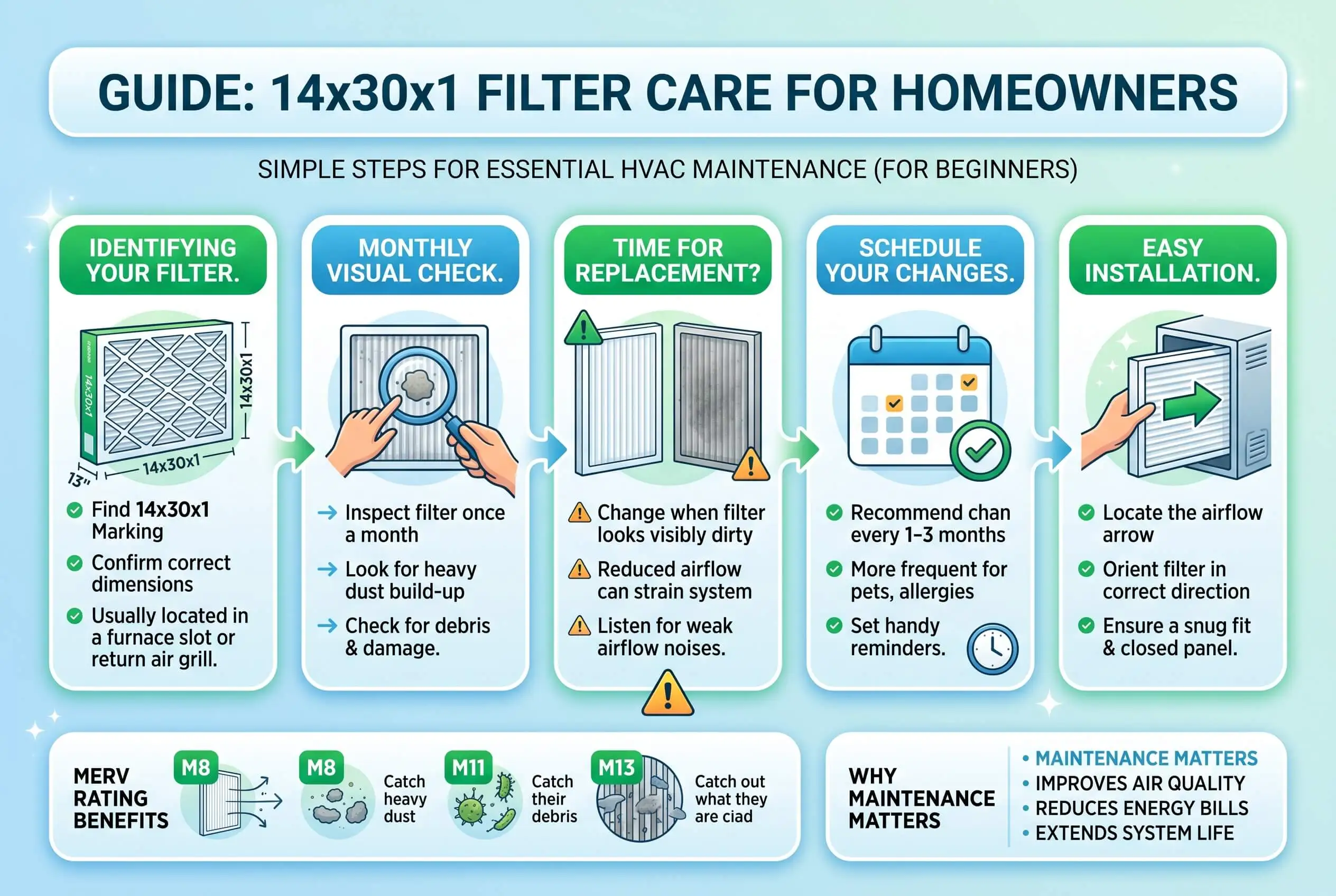
A 14x30x1 HVAC home air filter is a 1-inch-thick pleated filter with nominal dimensions of 14 by 30 by 1 inches and actual dimensions of about 13 7/8 by 29 7/8 by 3/4 inches. It's a less common residential size found in older HVAC systems and custom air handlers, which is why most big-box stores skip stocking it.
Key facts:
Nominal size: 14 x 30 x 1 inches
Actual size: roughly 13 7/8 x 29 7/8 x 3/4 inches
Replacement cadence: every 60 to 90 days (6 weeks with allergies, 2 months with pets)
Common MERV ratings: 8 (standard), 11 (superior), 13 (optimal)
Airflow arrow always points toward the furnace or air handler
Filterbuy manufactures 14x30x1 daily and ships in 24 hours, so a less common size doesn't have to mean driving to four stores to protect your home's air. The single most common issue we see from new homeowners isn't a wrong MERV rating, it's a good filter installed backward. Point the airflow arrow toward the furnace and you'll protect three things at once: airflow, energy efficiency, and the air your family breathes every day.
Top Takeaways
14x30x1 is a real residential size: nominal 14x30x1 inches, actually roughly 13 7/8 by 29 7/8 by 3/4 inches.
Standard replacement cadence is 60 to 90 days. Shorten it to 6 weeks with allergies or 2 months with pets.
MERV 8 to 11 suits most residential HVAC systems. MERV 13 requires confirming your system can handle it.
The airflow arrow on the frame always points toward the furnace or air handler.
A monthly "hold it up to the light" check beats any calendar-only schedule.
Write the install date on the frame in Sharpie. It's the cheapest reminder system ever invented.
What a 14x30x1 Filter Is and Where It Fits
A 14x30x1 air filter is named for its nominal dimensions: 14 inches by 30 inches by 1 inch thick. Actual dimensions run slightly smaller at about 13 7/8 by 29 7/8 by 3/4 inches, which is the size the filter needs to physically be in order to slide smoothly into the housing. When new homeowners call us asking why their "14x30x1" measurement doesn't quite match the filter on the shelf, it's almost always the nominal-versus-actual gap causing the confusion.
This size typically fits older HVAC systems, custom-built air handlers, and regional home designs. That's the reason so many hardware stores skip stocking it. Non-standard doesn't mean wrong. It just means the home you bought was built with a slightly different return-vent dimension than the cookie-cutter 16x20x1 and 20x25x1 boxes on the mass-market shelf.
How Often to Change a 14x30x1 Filter
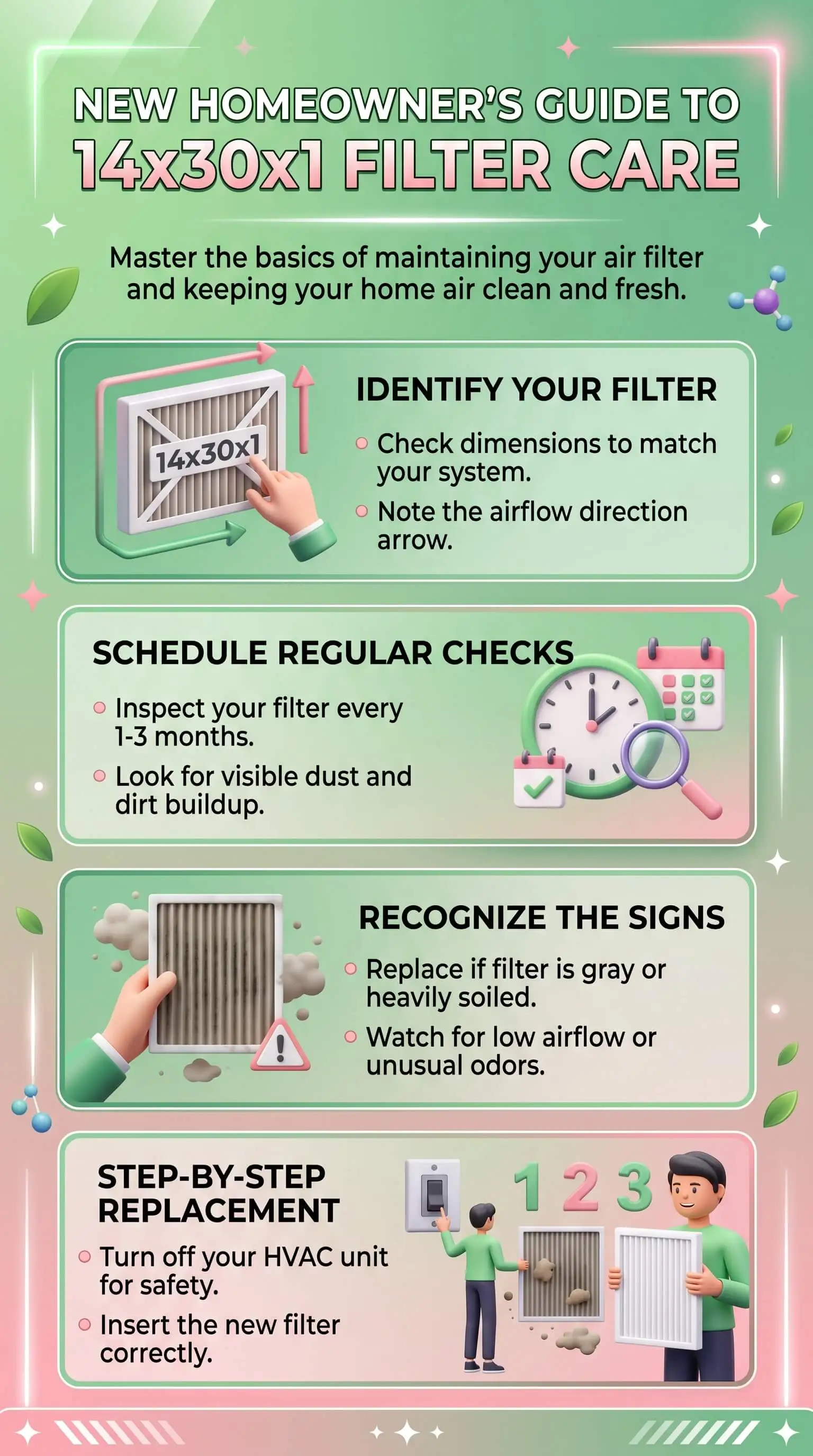
For most households, replace the filter every 60 to 90 days. That's the standard cadence, and it holds for one-inch residential filters running a typical HVAC duty cycle. A few real-world conditions shorten that window:
Someone in the home has asthma or allergies: change every 6 weeks.
You have pets: change every 2 months to stay ahead of shed dander.
You have young children: change every 2 to 3 months.
You're running heavy renovation dust, wildfire smoke events, or live along a dusty road: check monthly, replace when visibly loaded.
A reliable new-homeowner habit: on the first of every month, pull the filter out and hold it up to a light. If light still passes through the pleats, you're fine. If it doesn't, it's time. That one-minute check beats any calendar rule ever written.
Choosing the Right MERV Rating for Your Home
MERV stands for Minimum Efficiency Reporting Value, and it's the scale that tells you what a filter actually captures. Higher numbers catch smaller particles, but they also create more airflow resistance, which matters for your system. Here's the plain-English version for a 14x30x1:
MERV 8: catches dust, pollen, lint, and dust mites. Standard residential protection, friendly to older systems.
MERV 11: adds pet dander, mold spores, and smog particles. The sweet spot for most homes with pets or mild allergies.
MERV 13: adds bacteria, smoke particles, and finer allergens. Strong protection, but your HVAC system needs to be rated to handle the tighter media.
If you don't know what your system is rated for, start at MERV 8 or 11. Both are safe bets for the vast majority of residential HVAC setups we see. Jumping straight to MERV 13 without checking your system's specifications can restrict airflow and make the blower work harder than it should, which is the opposite of what a clean filter is supposed to do.
How to Change a 14x30x1 Filter Step by Step
The first time is the hardest. After that, it takes about two minutes.
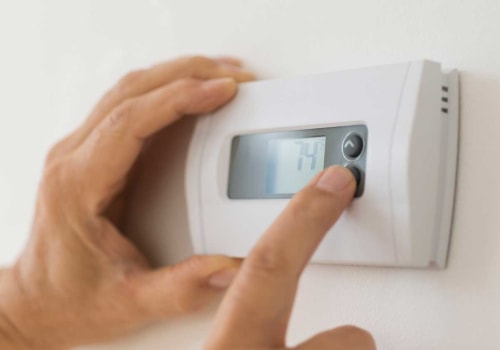
Turn off your HVAC system at the thermostat.
Find the filter slot. It's usually at the return-air vent or at the base of the air handler.
Slide the old filter out and note the direction of the airflow arrow printed on the frame.
Check the size stamped on the old frame against 14x30x1 before you open the new pack.
Slide the new filter in with the airflow arrow pointing toward the furnace or air handler, in the direction air moves through the system.
Make sure the filter sits flush inside the housing with no visible gaps at the edges.
Turn the HVAC system back on.
Write the install date on the new filter's frame in Sharpie so your next change is never a guess.
If the filter bows, catches on the edges, or leaves a gap wider than a credit card on any side, measure the slot itself with a tape measure. The old filter isn't always the right reference. Sometimes a previous homeowner was forcing the wrong size.
Signs You're Overdue for a Change
Your HVAC system will tell you when it's struggling, but the cues are subtle. Watch for these:
Dust settles on surfaces within a day or two of cleaning.
The AC runs longer cycles without reaching your set temperature.
A faint musty or burnt-dust smell when the system first kicks on.
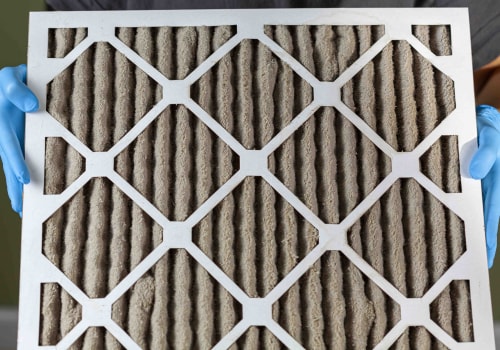
Visible gray-brown matting across the pleats when you pull the filter.
An electric bill that's noticeably higher without a change in your thermostat habits.
Any one of those alone can mean something else. Two or more together almost always points back to the filter working to get rid of dust and mites.
"After manufacturing 14x30x1 filters daily for more than a decade, the single most common preventable issue we see from new homeowners isn't a wrong size or a wrong MERV rating. It's a perfectly good filter installed backward. The airflow arrow is on the frame for a reason. Point it toward the furnace and you'll squeeze every bit of protection out of the filter you paid for."
7 Essential Resources
Seven resources we send new-homeowner customers to when they want to go deeper than a product page. Each one is from a .gov or .org authority we've cross-checked against what we see on the manufacturing side.
1. The EPA Guide for Choosing Between an HVAC Filter and a Portable Air Cleaner
We get asked this every week: do I need a filter upgrade, a standalone air purifier, or both? The EPA's short consumer guide lays out the tradeoffs cleanly. Most homes get the biggest lift from the filter already inside the HVAC system, because that filter touches the air everywhere in the house.
Source: EPA Guide to Air Cleaners in the Home
2. The DOE Maintenance Checklist That Protects Your Filter Investment
A fresh 14x30x1 filter is only as good as the system behind it. The Department of Energy's maintenance guide covers the coils, fins, and drain paths that quietly make or break the filter's performance. New homeowners almost always skip these in the first year.
Source: DOE Air Conditioner Maintenance
3. The ENERGY STAR Monthly-Check Habit We Recommend to Every New Owner
ENERGY STAR's heating and cooling guidance is where the once-a-month filter check came from, and it's the single habit that separates households whose systems last 15 years from households replacing blower motors at year 8.
Source: ENERGY STAR Heat & Cool Efficiently
4. The American Lung Association's Plain-Language Breakdown of MERV Ratings
When a customer isn't sure whether to go with MERV 8, 11, or 13, this is the resource we point to. It explains what each rating actually captures in health terms, not just engineering terms, which is the missing piece in most online filter comparisons.
Source: American Lung Association: Air Cleaning
5. The CDC's Filtration Guidance for Households with Respiratory Risk
If anyone in your home has asthma, COPD, or a weakened immune system, the CDC's respiratory-virus filtration guidance is worth bookmarking. It explains the "fan on" thermostat setting and the pleated-filter recommendation we repeat every day on the customer service line.
Source: CDC Taking Steps for Cleaner Air
6. The EPA's Introduction to Indoor Air Quality for the Full Picture
Before you commit to a MERV rating, it helps to understand what you're actually filtering out. This EPA overview covers the full range of indoor pollutants, including combustion byproducts, VOCs, and biological sources, and frames why the filter on your return vent matters so much.
Source: EPA Introduction to Indoor Air Quality
7. The EPA's Inside Story for Homeowners Who Want the Deep Read
When a new homeowner asks us "what else should I be doing about air quality," this is the one-document answer. It's the most complete homeowner-facing resource the EPA publishes, and it covers source control, ventilation, and filtration as a system instead of three separate conversations.
Source: EPA Inside Story: Guide to Indoor Air Quality
3 Statistics
Three numbers worth remembering the next time you're tempted to skip a filter change. They're why we take a one-inch slab of pleated media so seriously on the manufacturing side.
1. Americans spend about 90% of their time indoors
Ninety percent. That's the single statistic that reframes how important the filter in your return vent actually is. If the air inside your house is where your family lives, breathes, and sleeps, then a 14x30x1 filter isn't just a maintenance item. It's the most consistent piece of air quality equipment in the home.
Source: EPA Report on the Environment: Indoor Air Quality
2. Indoor pollutants often run 2 to 5 times higher than outdoor levels
Two to five times. Indoor pollutant concentrations routinely exceed outdoor levels, sometimes dramatically. We've seen the loaded filters to prove it: pleats matted with particles that never would have built up in the same volume outside. A clean, correctly sized 14x30x1 is a direct defense against that buildup.
Source: EPA Why Indoor Air Quality Is Important
3. A dirty filter forces the system to work harder and wastes energy
ENERGY STAR is direct about this: a dirty filter slows airflow, makes the system work harder, and wastes energy. On the manufacturing side, we see the downstream damage: premature blower motor wear, frozen evaporator coils, and shortened system lifespans. Replacing a 14x30x1 on time is the cheapest HVAC repair you'll ever do.
Source: ENERGY STAR Maintenance Checklist
Final Thoughts and Opinion
Filter care is the highest-return maintenance habit a new homeowner can build in year one. It's cheaper than a tune-up, faster than a coil cleaning, and more consistent than any other HVAC task because it happens on a schedule you control. The 14x30x1 slot in your return vent is quietly the most important square footage of air-quality real estate in the whole house.
The honest opinion, from the people who build these filters: don't overthink it. Pick MERV 8 or 11, set a 60-day phone reminder, keep the airflow arrow pointed toward the furnace, and check the filter once a month with a light behind it. That's the whole system. Airflow protected. Efficiency protected. Indoor air quality is protected. The Prudent Protector in you is already doing the work that matters.
Frequently Asked Questions
Q: What is the actual size of a 14x30x1 air filter?
A: The nominal size is 14 inches by 30 inches by 1 inch. The actual size runs slightly smaller, roughly 13 7/8 by 29 7/8 by 3/4 inches, so it slides cleanly into the housing without binding.
Nominal: 14 x 30 x 1 inches
Actual: about 13 7/8 x 29 7/8 x 3/4 inches
Always check the stamp on your current filter frame before ordering
Q: How often should a new homeowner change a 14x30x1 filter?
A: Every 60 to 90 days is the baseline for most households. A few conditions shorten that window:
Asthma or allergies in the home: every 6 weeks
Pets: every 2 months
Young children: every 2 to 3 months
Heavy dust, smoke, or renovation: check monthly, change when visibly loaded
Q: What MERV rating is best for a 14x30x1 filter?
A: MERV 8 and MERV 11 are the safest starting points for most homes. MERV 13 is an option only if your HVAC system is rated to handle the tighter media without airflow strain.
MERV 11: most households with pets or mild allergies
MERV 13: confirm system compatibility first
Q: Why is 14x30x1 so hard to find in stores?
A: It's a less common residential size, typically used in older systems and custom builds, so most big-box retailers skip it in favor of high-volume sizes like 16x20x1 and 20x25x1. At Filterbuy, we manufacture 14x30x1 daily so the home you live in doesn't decide whether you can protect your air.
Q: Can I wash and reuse a 14x30x1 filter?
A: Standard pleated 14x30x1 filters are not washable. Washing them damages the media and destroys the capture efficiency. If you want a reusable option, there are dedicated washable filter products — but they're a different category and not a swap for a pleated disposable.
Q: Which direction does the airflow arrow face?
A: The arrow on the frame always points toward the furnace or air handler — the direction the air is moving as it passes through the system. Installed backward, the filter still catches particles but the pleats can collapse toward the return side and bypass the media entirely.
Q: Will a higher-MERV 14x30x1 filter hurt my HVAC system?
A: A higher MERV filter puts extra strain on the blower if the system isn't rated for it. MERV 8 and 11 are safe for almost every residential system. For MERV 13, check the system documentation or ask an HVAC technician before making the jump.
Q: What happens if I skip a filter change?
A: Three things start stacking up. Airflow drops, so the system runs longer to hit your thermostat setting. Energy use climbs, so your bill climbs with it. Dirt bypasses the clogged media and accumulates on the evaporator coil, which shortens the lifespan of the system itself.
Q: Is it worth buying 14x30x1 filters in multi-packs?
A: Yes. You'll use them. A six-pack covers roughly a full year at the 60-day cadence, and having the next change already on the shelf removes the single biggest reason filter changes get skipped — the extra trip to buy one.
CTA
Clean air shouldn't depend on driving to four stores hoping one of them carries your size. We make the 14x30x1 HVAC home air filter every day and ship it in 24 hours. Pick your MERV, stock up for the year, and check one thing off your Prudent Protector list today.
Better Air For All.